I Got Up at Stupid O'Clock for this
Arriving at a landscape location in the middle of the night is always something I question. Is it worth getting up at 5am, walking out in the dark and putting yourself through the effort when you have no guarantee that the conditions will deliver?
On this particular occasion, I thought the answer was yes.
The location was Glanmore Lake, which sits on the border of Cork and Kerry. I had checked the weather forecast before making the journey and, at least on paper, the conditions looked very good for the type of photograph I wanted to make. I was expecting calm water, reflections and some good morning light.
The decision was also influenced by a conversation I had with my friend Robert the previous day. I had mentioned that I was planning to visit Glanmore Lake, and he showed me some photographs he had taken there. The water was flat, the reflections were strong and the morning light worked well with the landscape.
That gave me a clear idea of what I wanted to photograph.
I drove to the location, found somewhere to park and settled down for the night. The plan was straightforward. Get up at 5am, make the walk to the lake in darkness and be in position well before sunrise.
The problem was that the forecast and the reality were already starting to disagree.
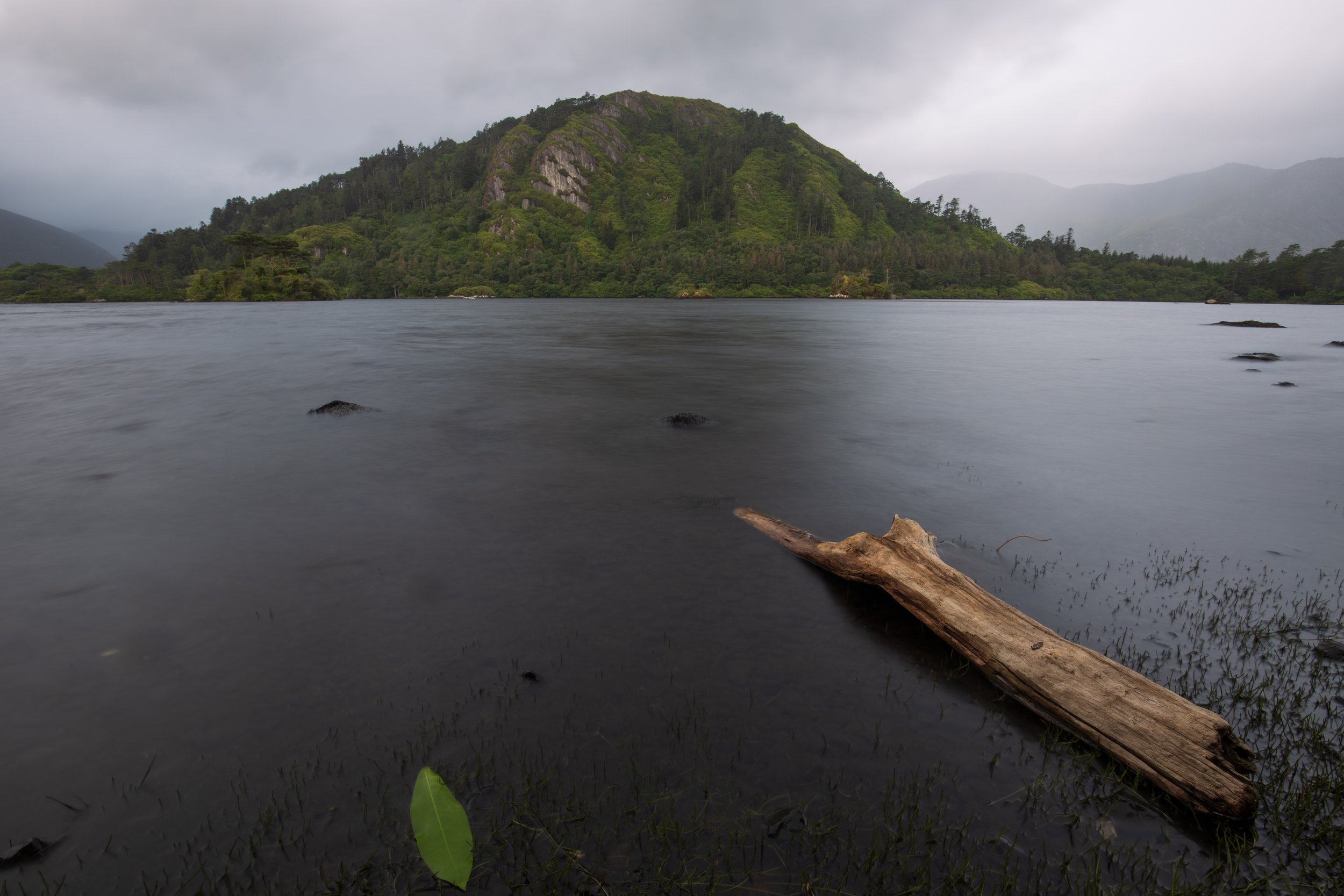
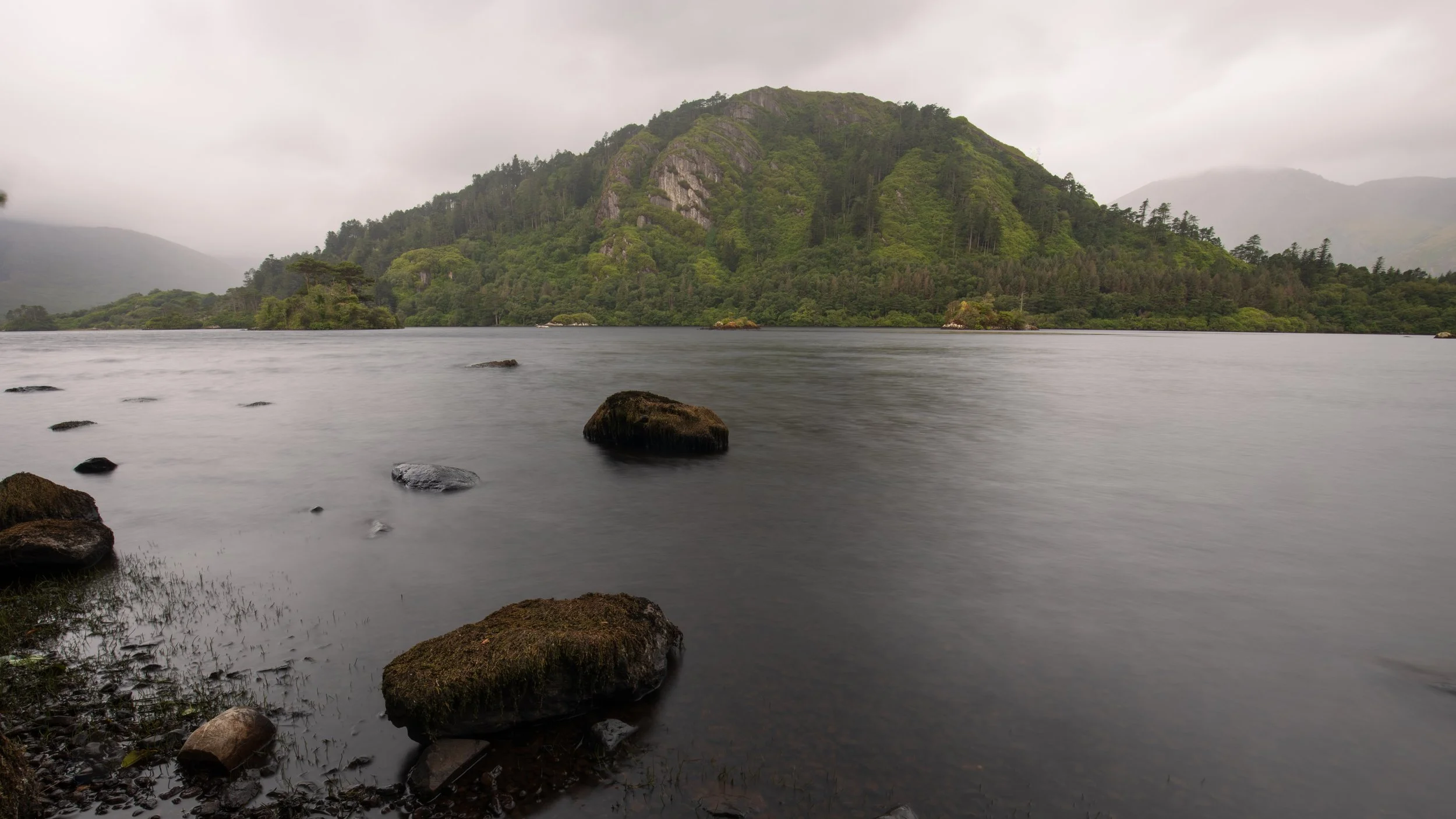
When I got my first glimpse of the lake, I could immediately see that the conditions were not what I had expected. There was wind across the water, the surface was covered in ripples and there were no reflections. There was also a lot of cloud, with rain approaching.
This is one of those situations that every landscape photographer will recognise.
You have made the journey. You have got up in the middle of the night. You have carried your equipment to the location. You have invested the time.
So what do you do when the conditions you planned for simply do not arrive?
For me, the answer was to start shooting.
I put the camera on the tripod and began looking at the landscape in front of me rather than continuing to think about the photograph I had originally planned. Very quickly, it became obvious that I was unlikely to get the light I had hoped for. Instead of preparing for a sunrise with warm light, I was putting on my rain gear.
That did not mean there was nothing to photograph.
One of the most important lessons I have learned from landscape photography is that you cannot control the weather. You can check forecasts, plan your locations, study tides and choose the best time of day, but once you are standing in front of the landscape, you have to work with what you have.
I started exploring along the bank of the lake, looking for compositions that could work without relying on reflections or dramatic light.
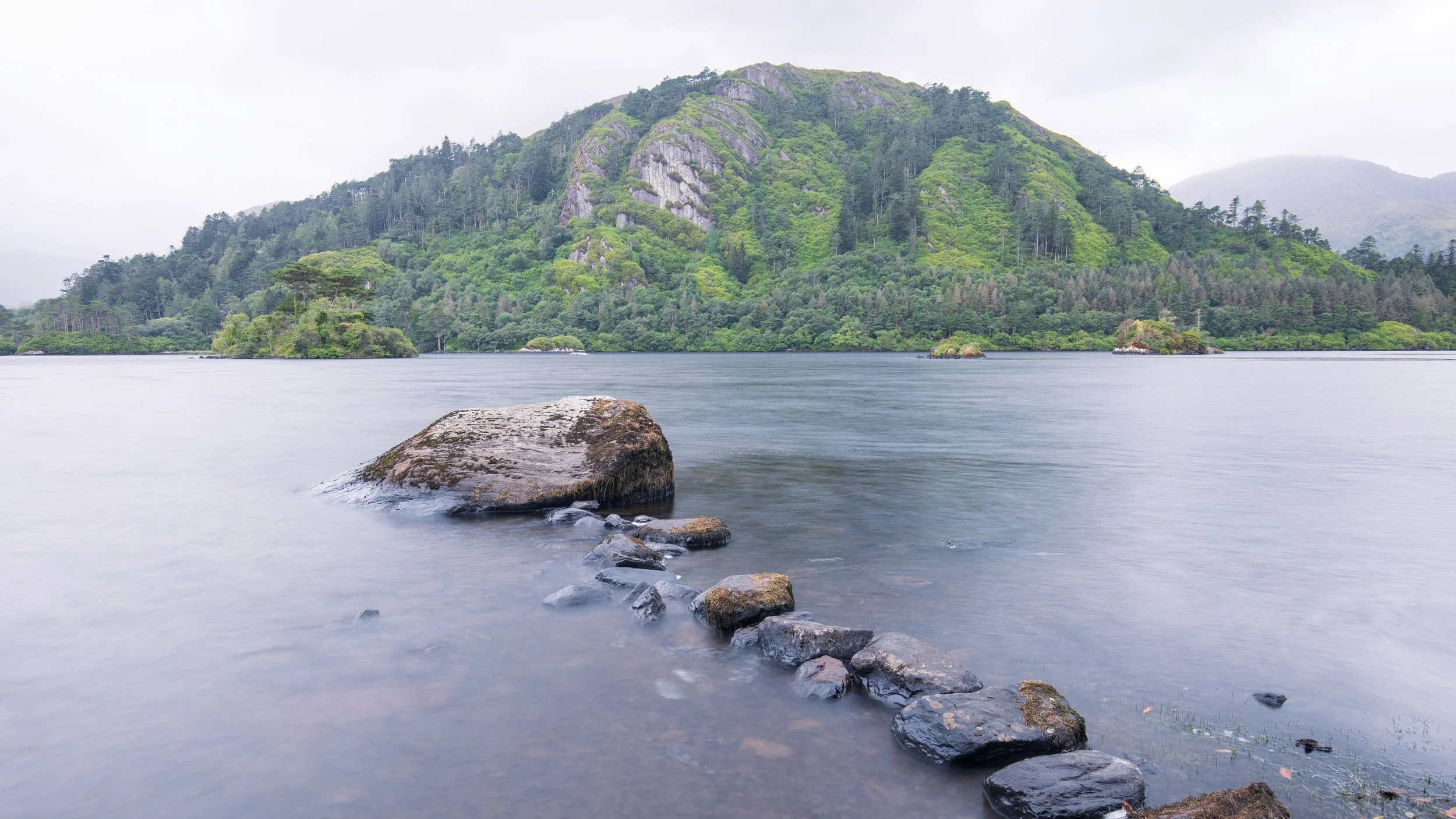
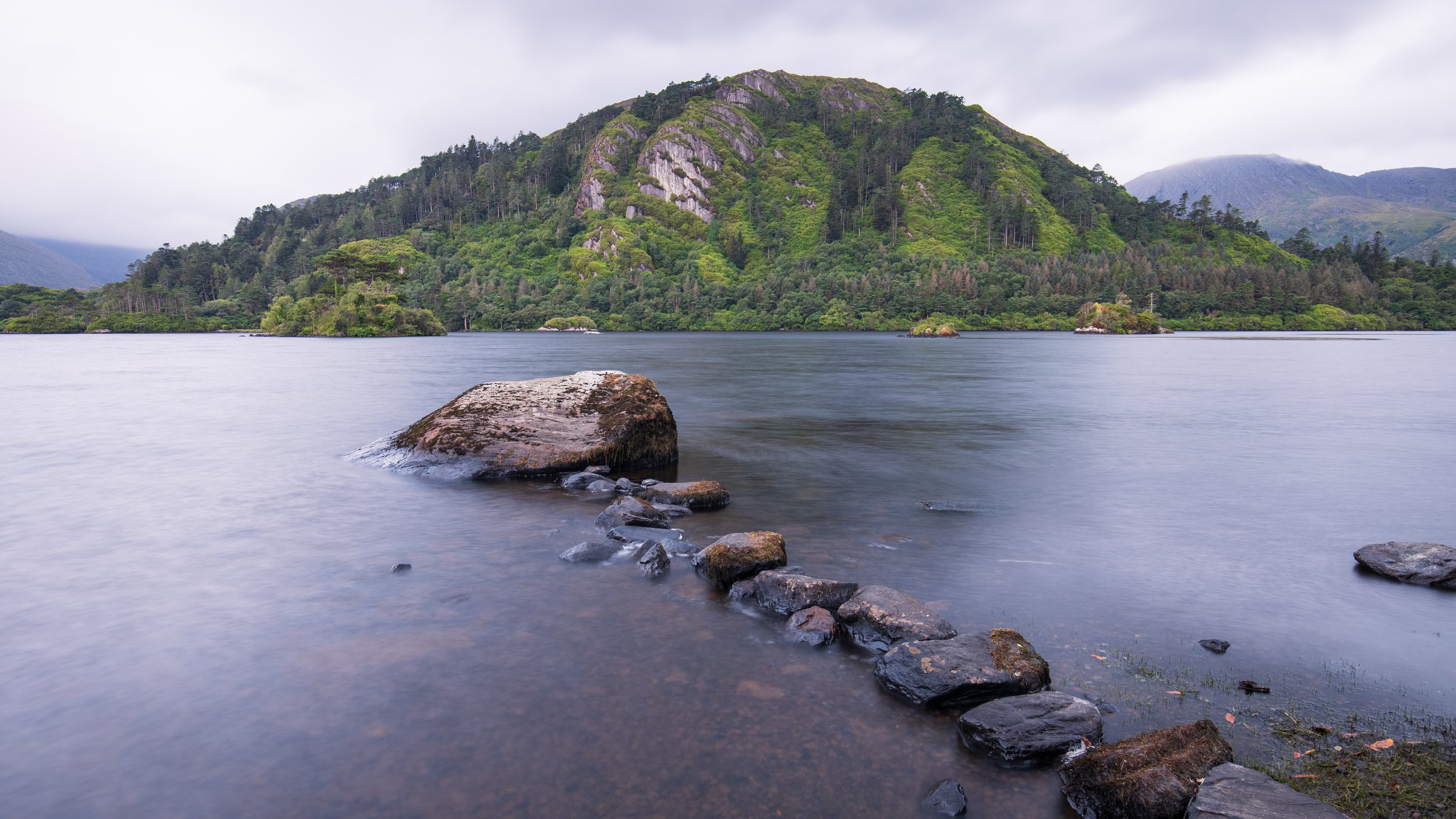
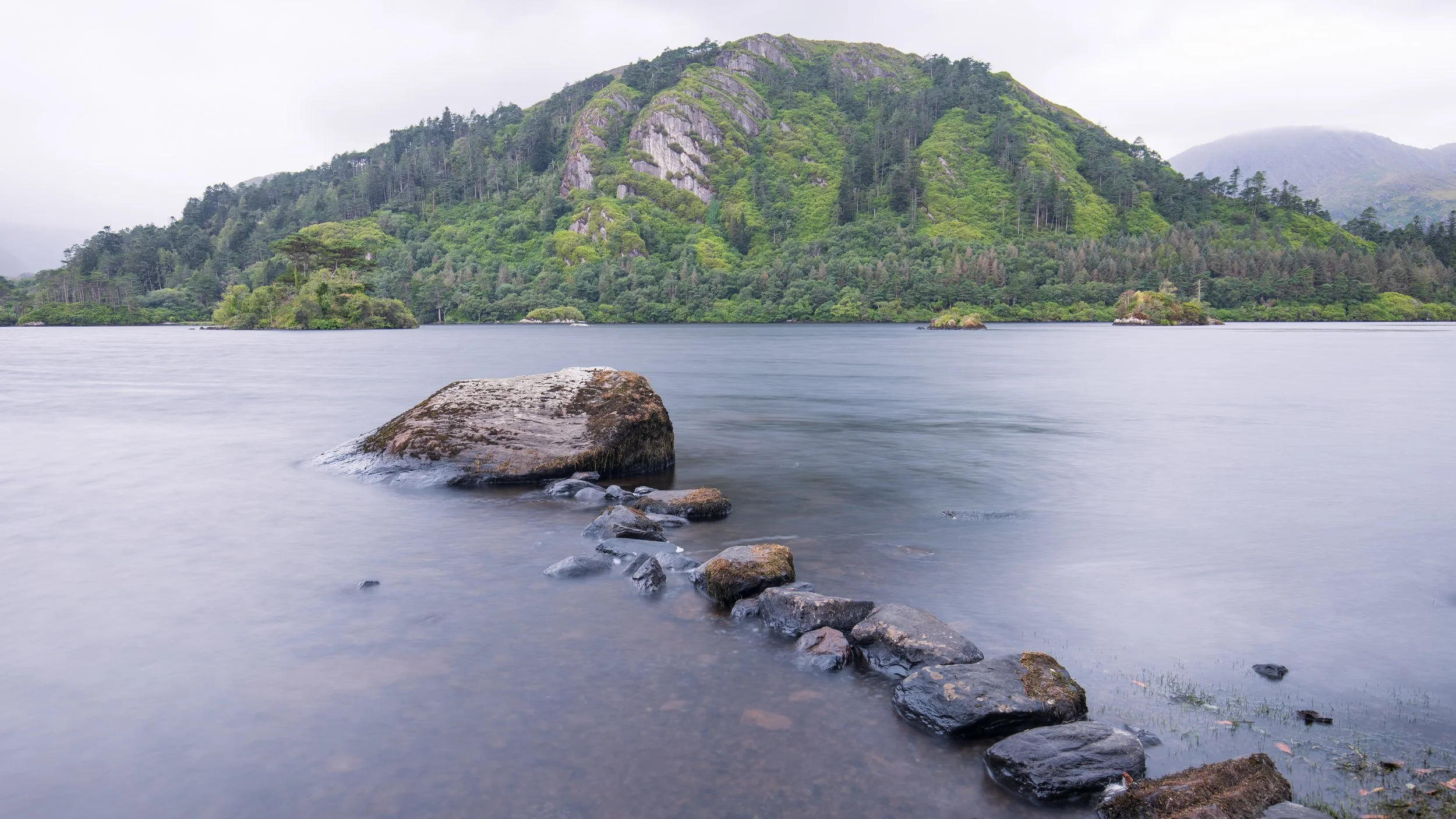
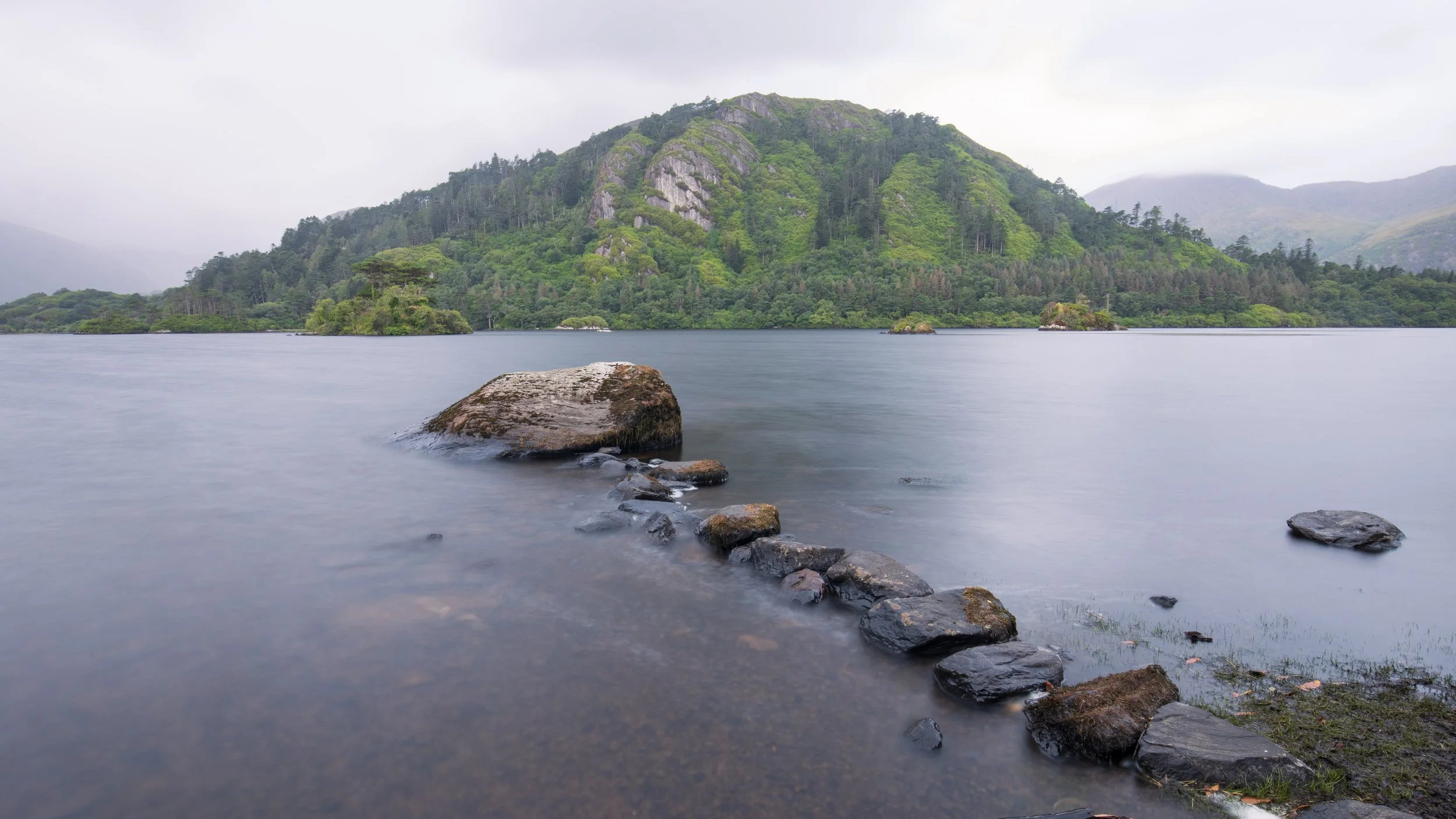
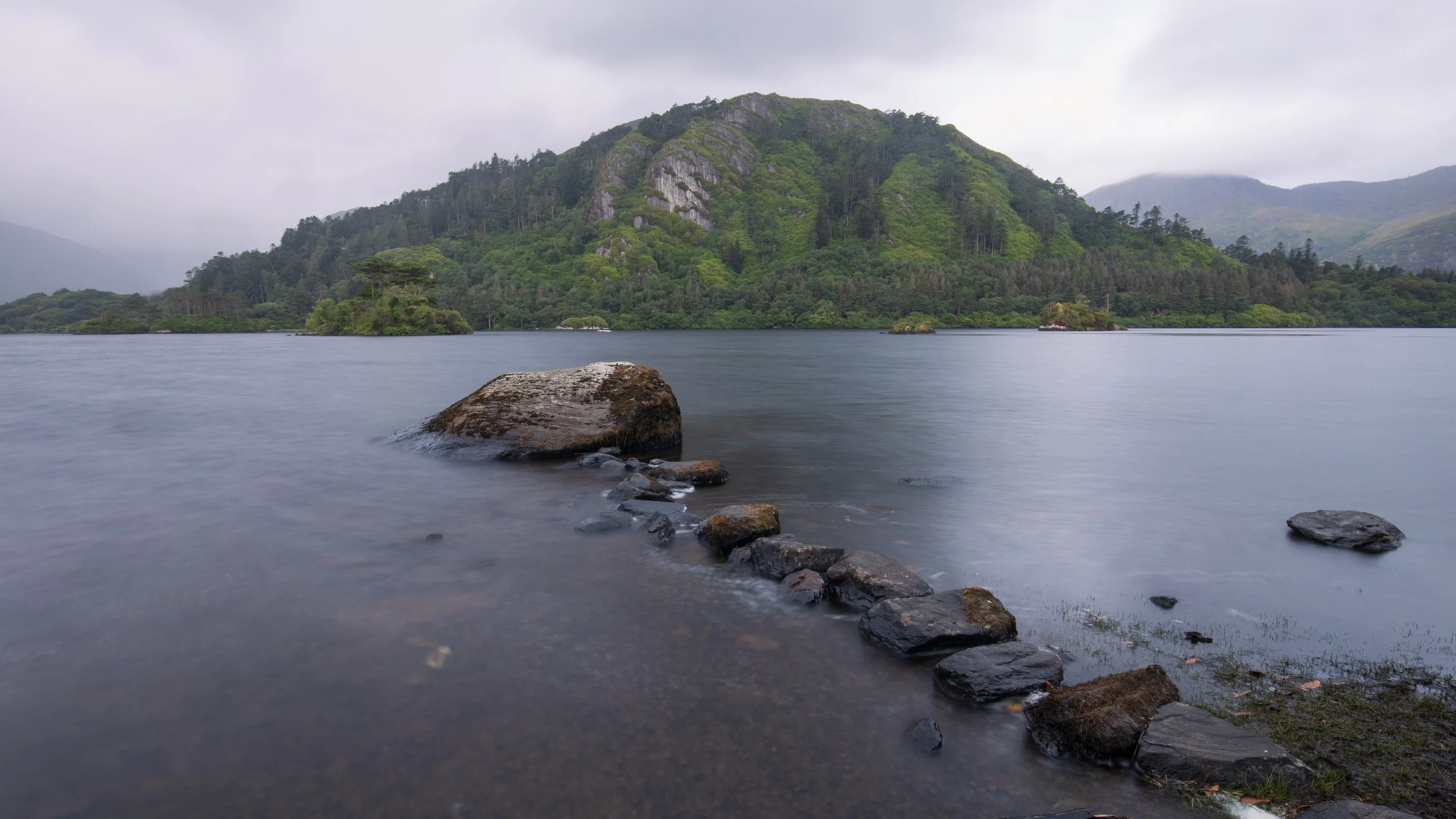
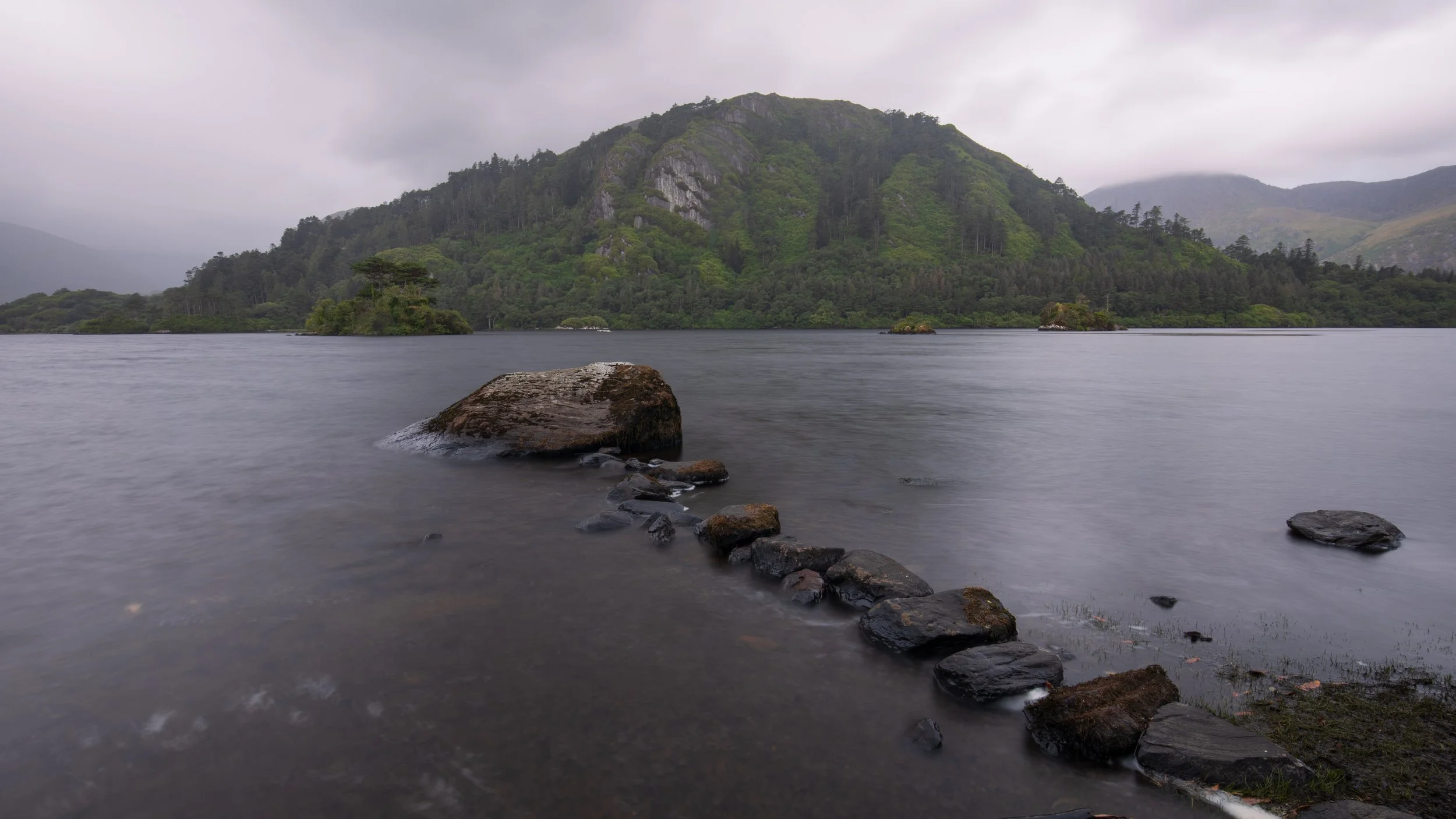
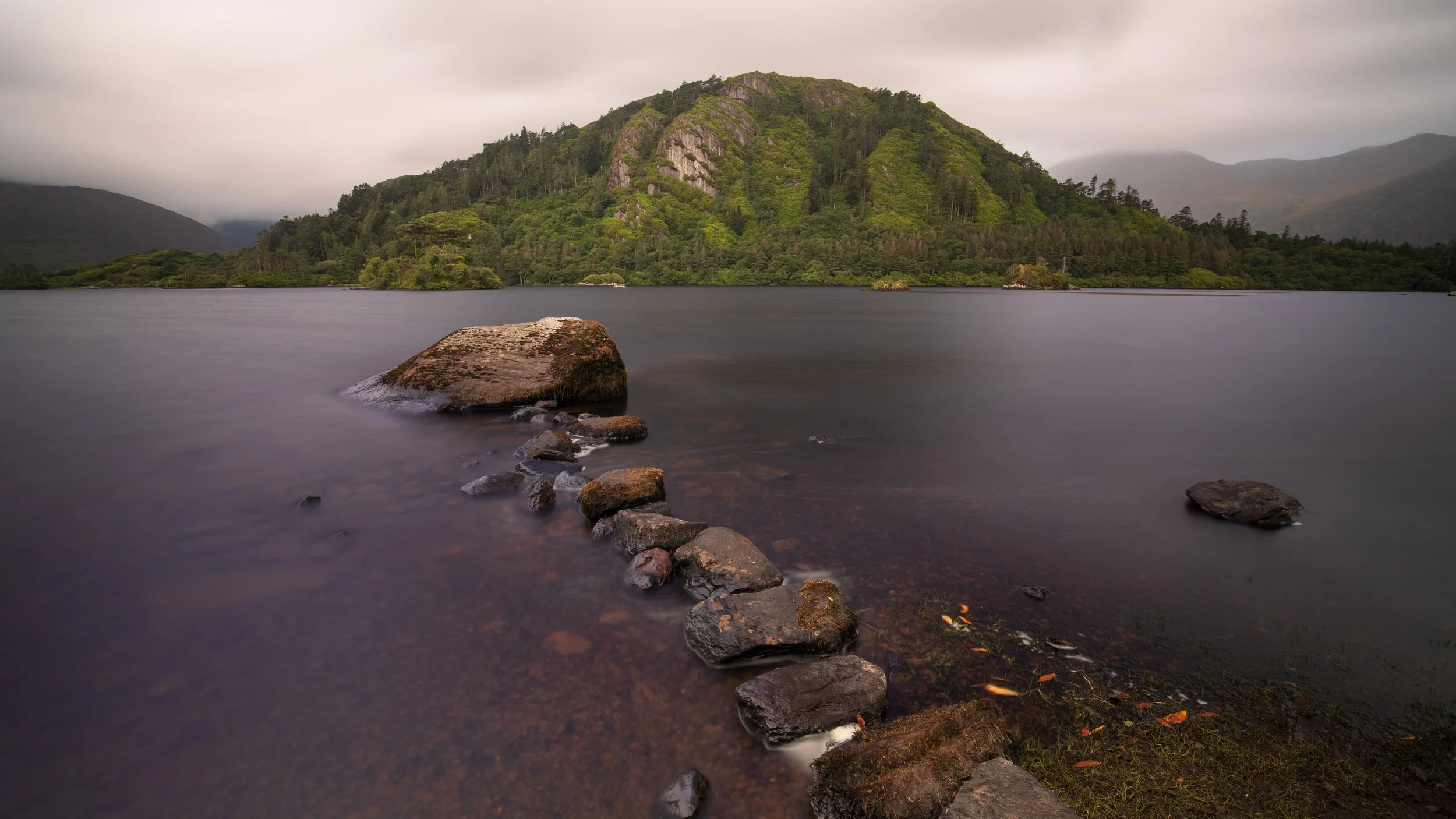
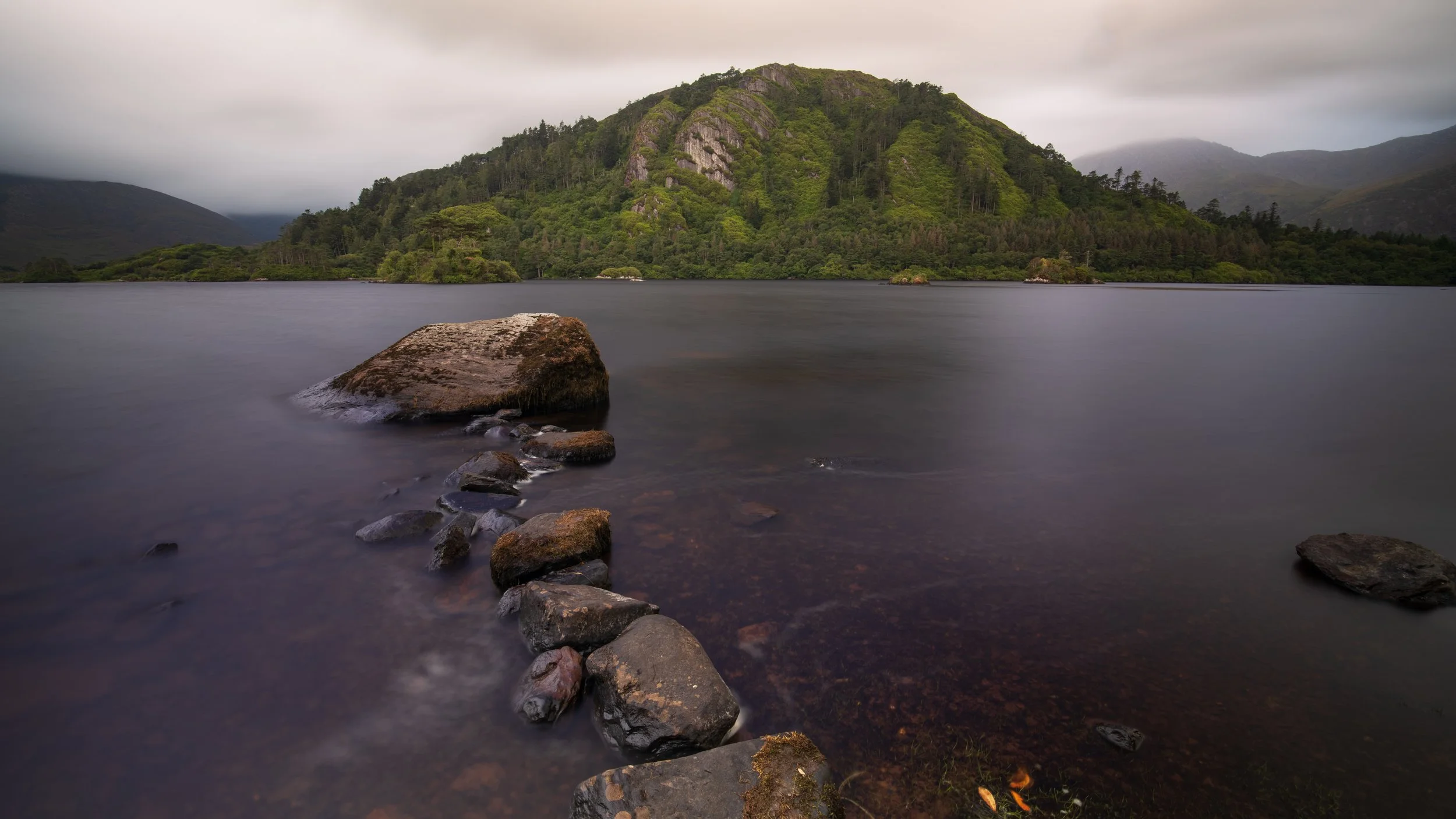
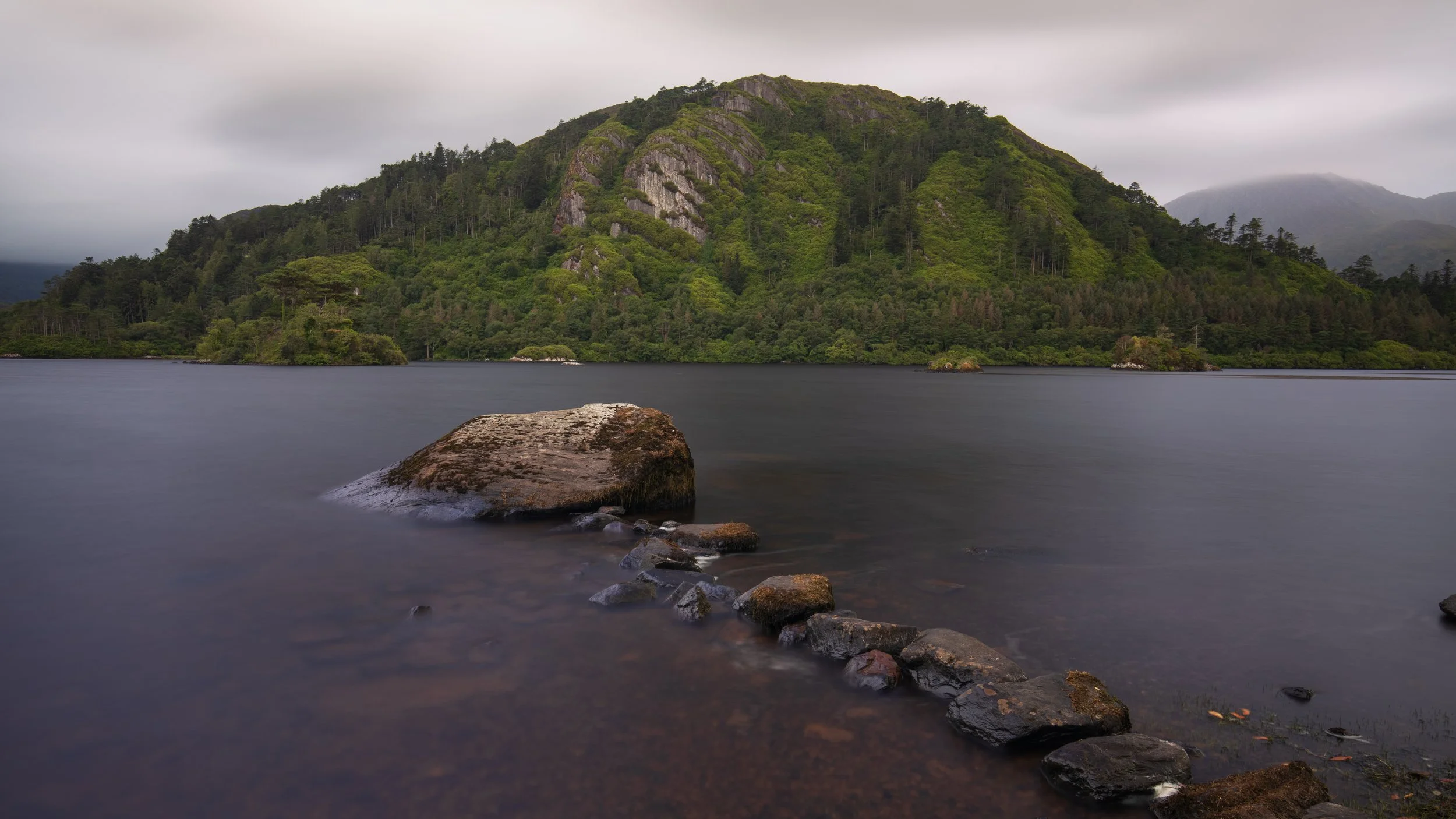
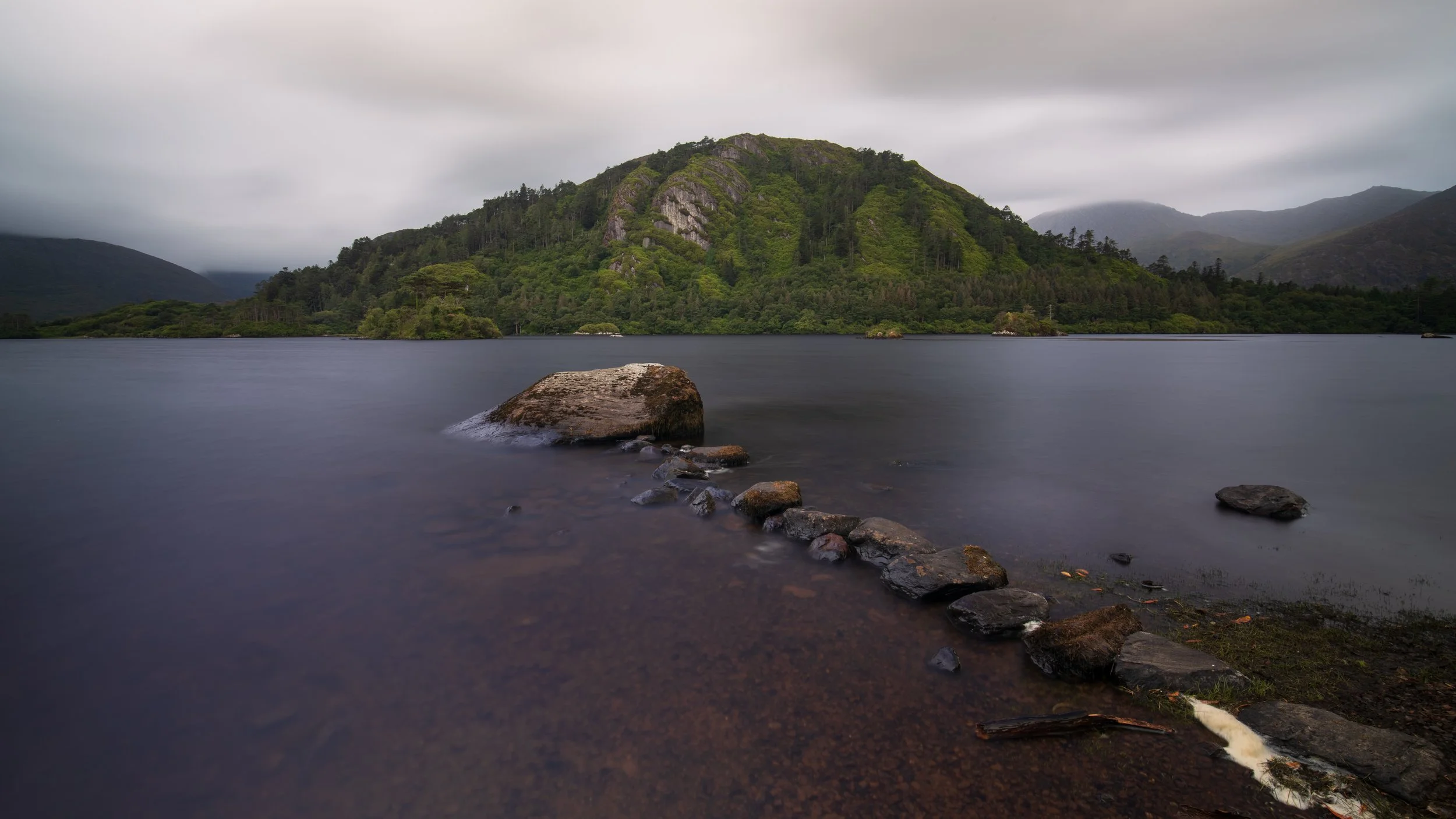
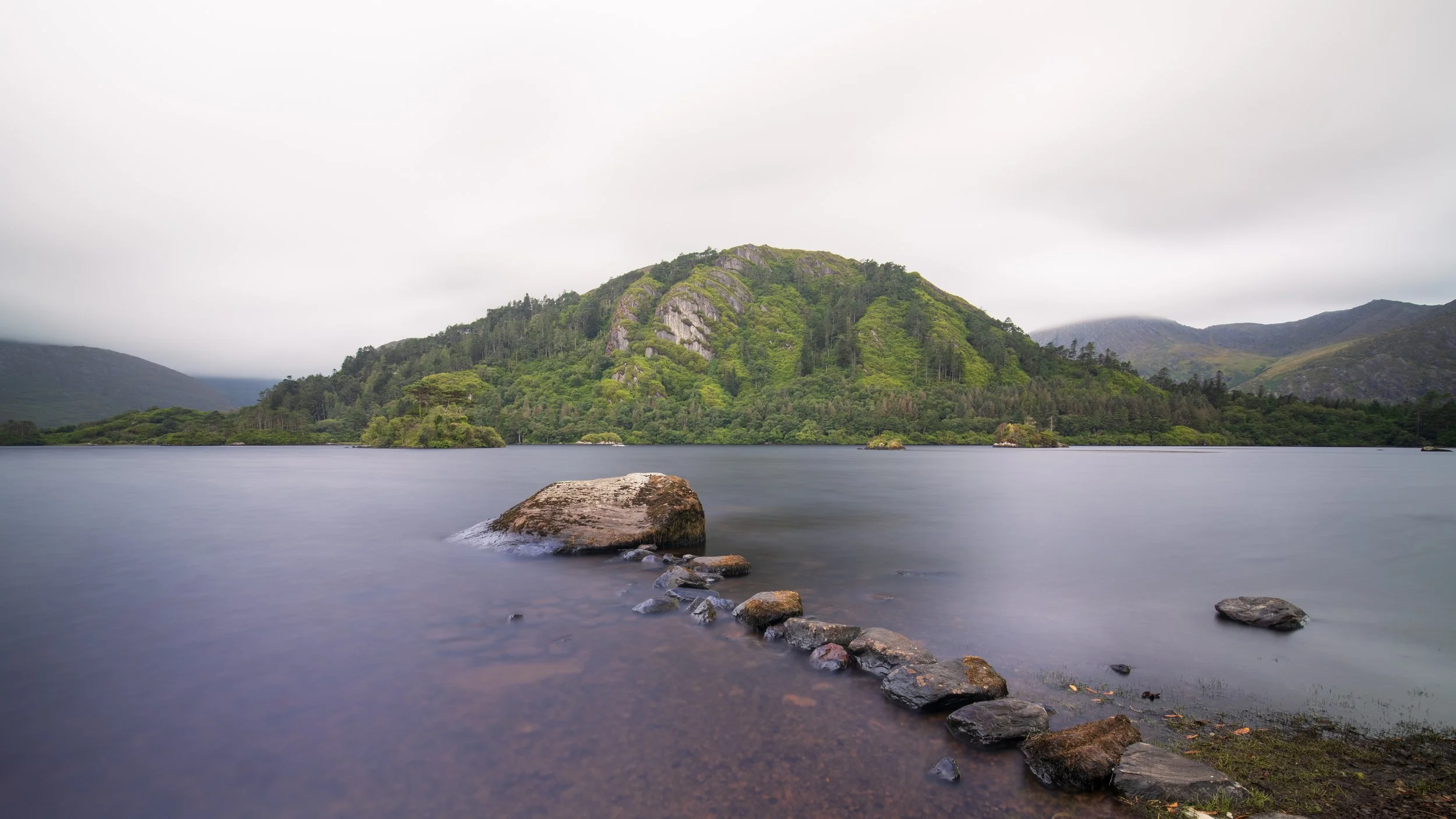
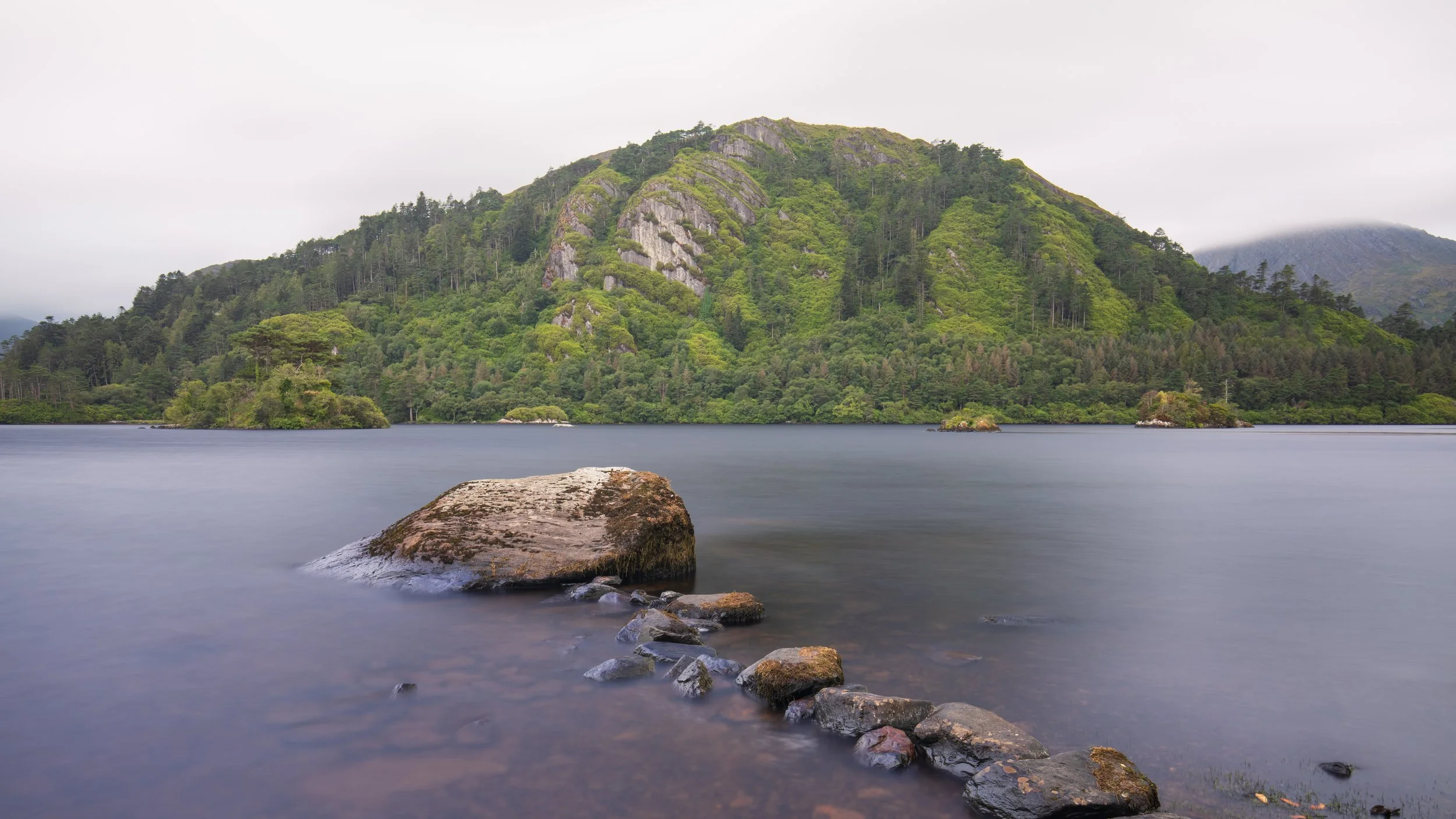
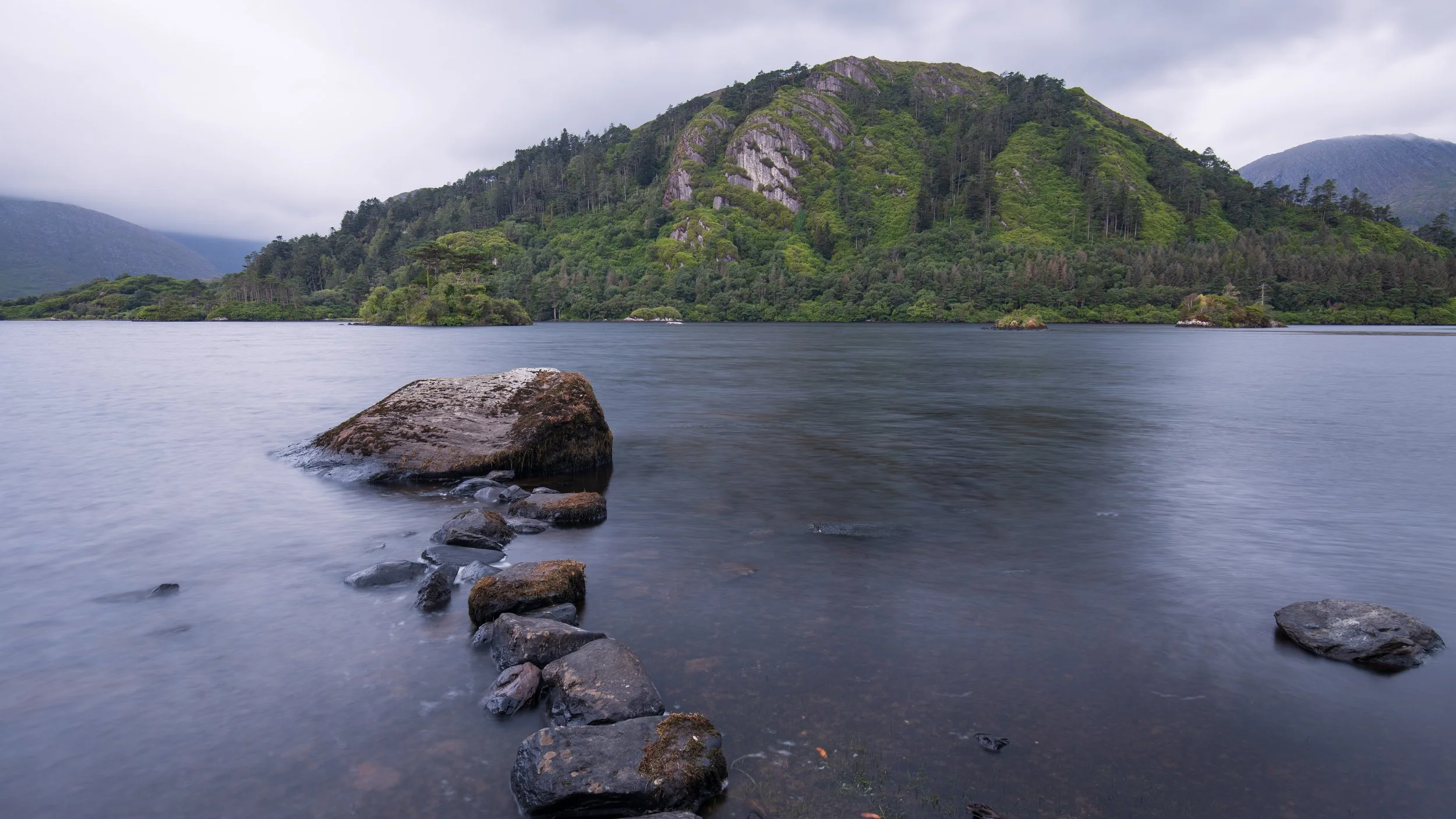
One composition immediately caught my attention. There were a number of rocks leading into the water and one larger rock helped create a visual path into the frame. Beyond it was the larger cliff face on the opposite side of the lake.
It was not the photograph I had originally imagined, but it gave me something to work with.
This is where I think having a clear understanding of composition becomes important. When the conditions change, you need to be able to identify what is still working within the scene.
If the sky is not giving you good light, look at the foreground. If the reflections disappear, look for leading lines. If the wider composition is not working, move closer and simplify the frame.
The weather had also created another problem.
When the wind dropped, the midges came out.
I call them the flying teeth because they can make standing beside a lake in summer very uncomfortable. There was an obvious contradiction to the conditions I wanted. I needed less wind because I wanted flatter water, but less wind also meant dealing with more midges.
Unfortunately, that is another part of landscape photography that cannot be controlled.
I had to accept the conditions and continue.
As sunrise approached, I noticed a small gap in the cloud behind me. It gave me a little hope that perhaps there would be a break in the weather and some light might appear.
I decided to use the drone to investigate what was happening towards the east.
This is another reason I find a drone useful when photographing landscapes. It can provide information that is difficult to obtain from ground level. Rather than simply waiting and hoping, I could look towards the direction of sunrise and see what the weather was doing.
The answer was fairly clear.
There was not going to be the break in the cloud that I had been hoping for.
However, the drone gave me another opportunity. There is an island in the middle of Glanmore Lake, and from my ground-level position it was difficult to separate it from the surrounding landscape because of the lack of light.
From above, I could change the position and angle of the drone and create some separation between the island and its surroundings.
It was not the photograph I had travelled there to make, but it was something different.
The drone footage also gave me an additional way to show the location. Even though the light was not there, the landscape itself remained interesting.
Eventually, the rain returned and it was time to finish the shoot.
The morning had gone from what I expected to be calm water, reflections and good light to wind, ripples, cloud and rain. On paper, it was almost the complete opposite of the forecast I had planned around.
But that is landscape photography.
There is always a temptation to judge a shoot by whether you got the photograph you originally wanted. I think that is the wrong way to look at it.
The real value of a shoot can sometimes be the decisions you make when the conditions are poor.
I learned that the composition can still be found when the light disappears. I was reminded that changing your approach is often more productive than waiting for the conditions to improve. I also used the drone to find a perspective that was not available from the ground.
Most importantly, I was reminded that a forecast is a planning tool, not a guarantee.
You can spend hours studying the weather and arrive with a very specific image in your head. Then you walk around the corner and find something completely different.
At that point, you have two choices.
You can decide that the conditions are not good enough and go home, or you can work with what you have.
I chose the second option.
The final images from Glanmore Lake will not have the reflections and morning light that originally attracted me to the location. Instead, they reflect the conditions that were actually there.
That is why I think the phrase "if you are not in it, you cannot win it" applies so well to landscape photography.
You have to make the journey first.
You have to stand in front of the landscape.
Only then do you get the opportunity to make the photograph.
Sometimes the conditions will give you exactly what you wanted. Other times they will give you something completely different.
The important thing is that you are there to find out.