I Knew This Shoot Cold Fail.. I tried Anyway
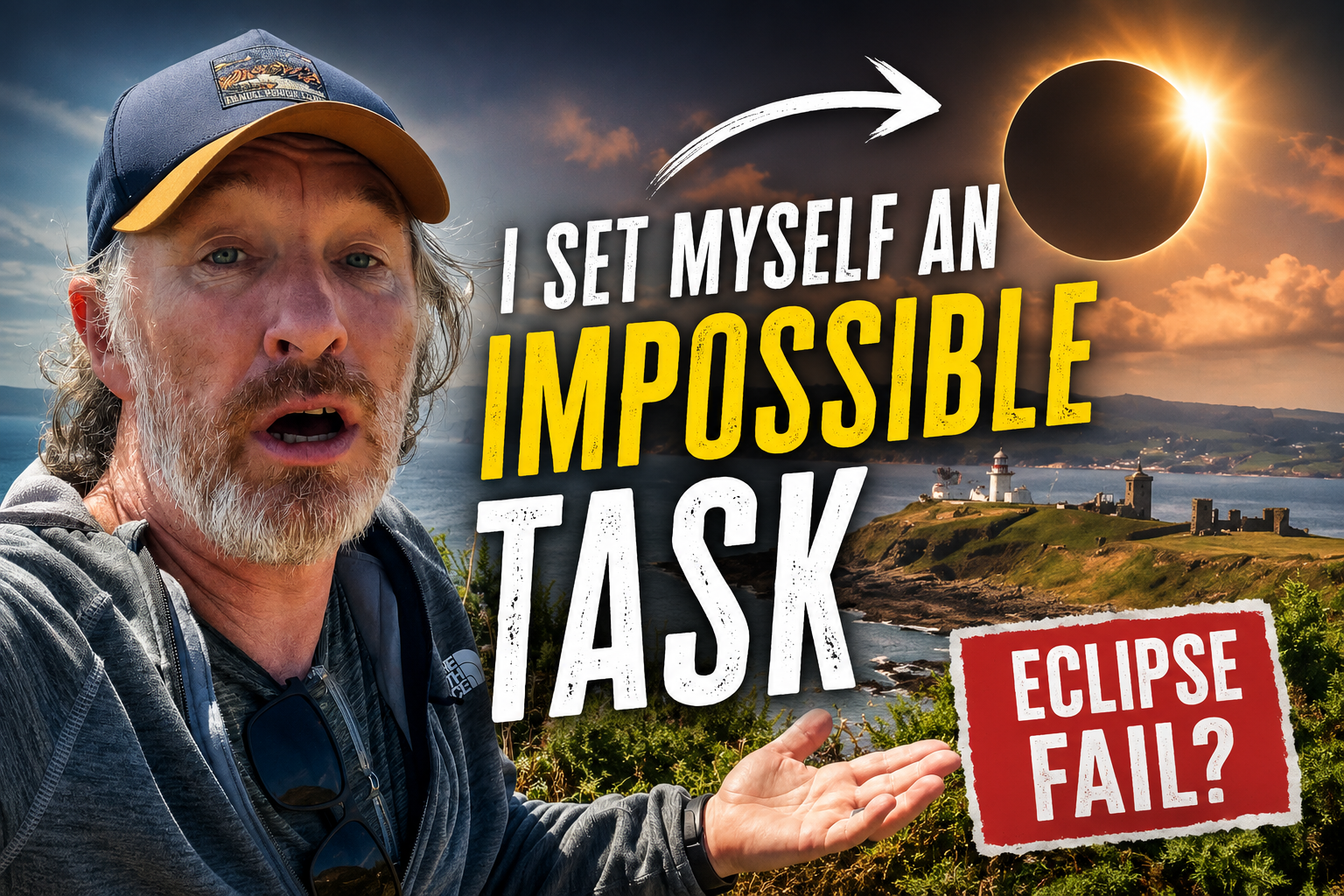
The plan was simple enough: photograph the solar eclipse of 12 August 2026 with an Irish foreground in the frame. The execution was anything but simple.
Ireland was never going to experience totality, but the eclipse would cover a very large percentage of the Sun. In Cork, the maximum obscuration was about 96%, making it worth planning for. I had photographed a similar level of eclipse in 2015, so this time I wanted to make the challenge harder. Instead of photographing the eclipse on its own, I wanted to place a recognisable foreground subject in front of it.
The difficulty was exposure. The Sun is extremely bright, while the foreground needs enough light to show detail. A filter controls the Sun, but also reduces the light reaching the foreground. I needed to find a way to make those two exposures work together.
My original plan was to photograph the eclipse above the Skellig Islands from the Kerry coast. It was the obvious choice for me because the Skelligs are one of Ireland's most recognisable coastal subjects, and combining them with an eclipse would have produced a very specific image.
The first problem was the weather. Forecasts were showing thick cloud around the Skelligs, which made shooting there a poor choice. The second problem was the position of the Sun. At maximum eclipse, it would be too high in the sky for the composition I wanted. A long telephoto lens would make the Skelligs larger, but the required alignment and field of view would become even more restrictive. I spoke with my friend Jaro about this, and he confirmed that it wouldn't work.
I drove to the location anyway and checked the composition for myself. A plan on an app is useful, but it does not replace standing at the location and looking at the scene.
The Skellig plan was not going to work, so I moved to plan B.
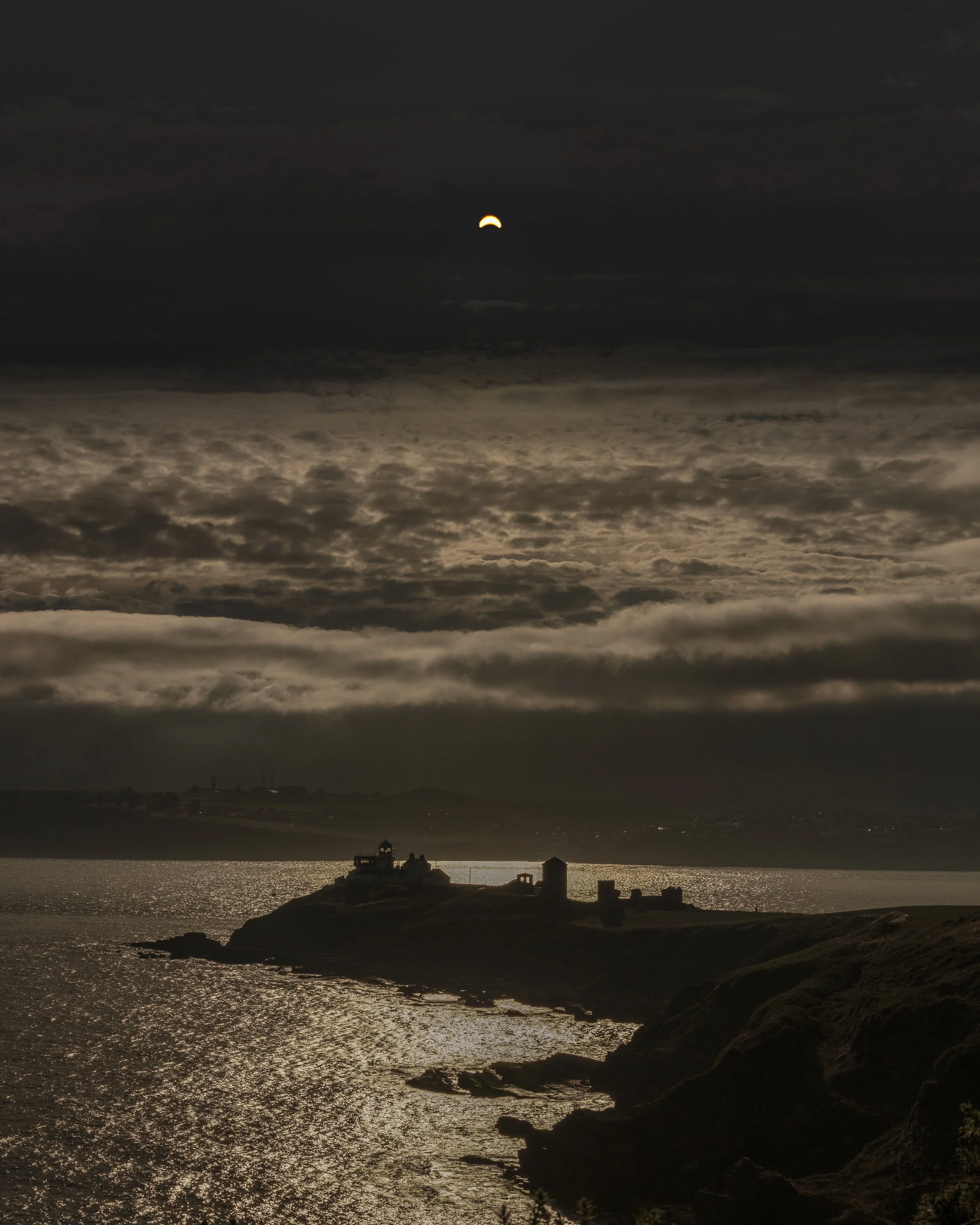
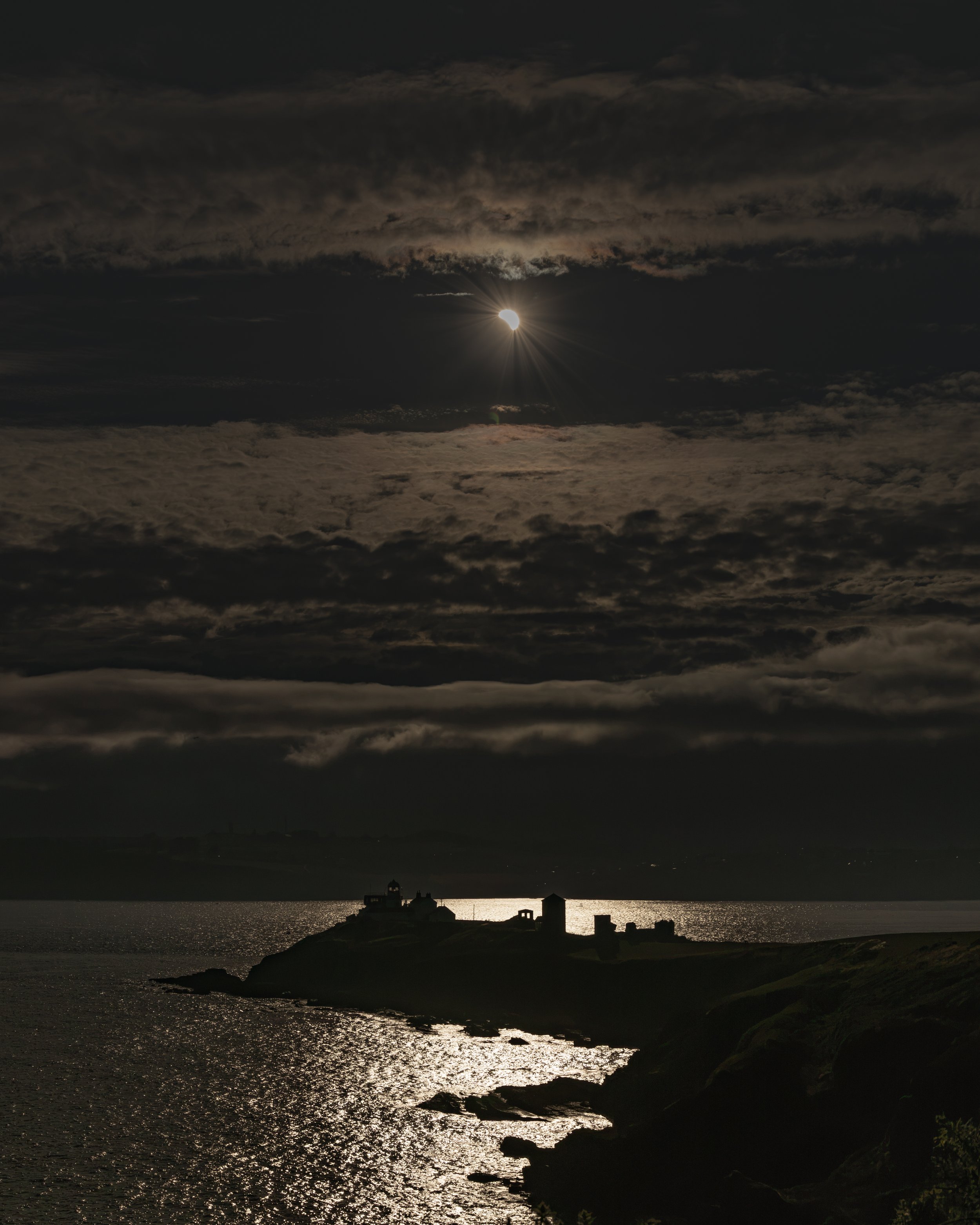
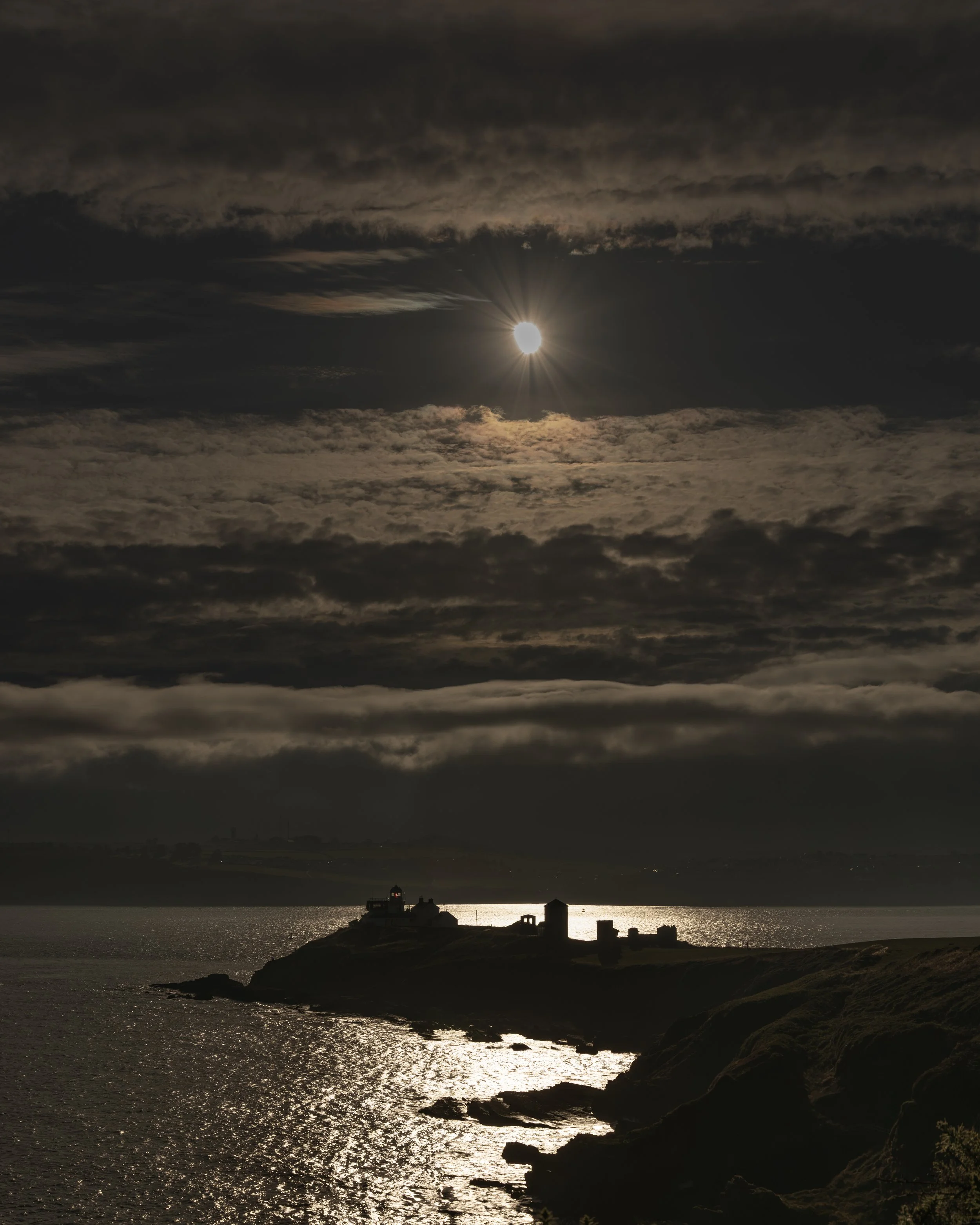
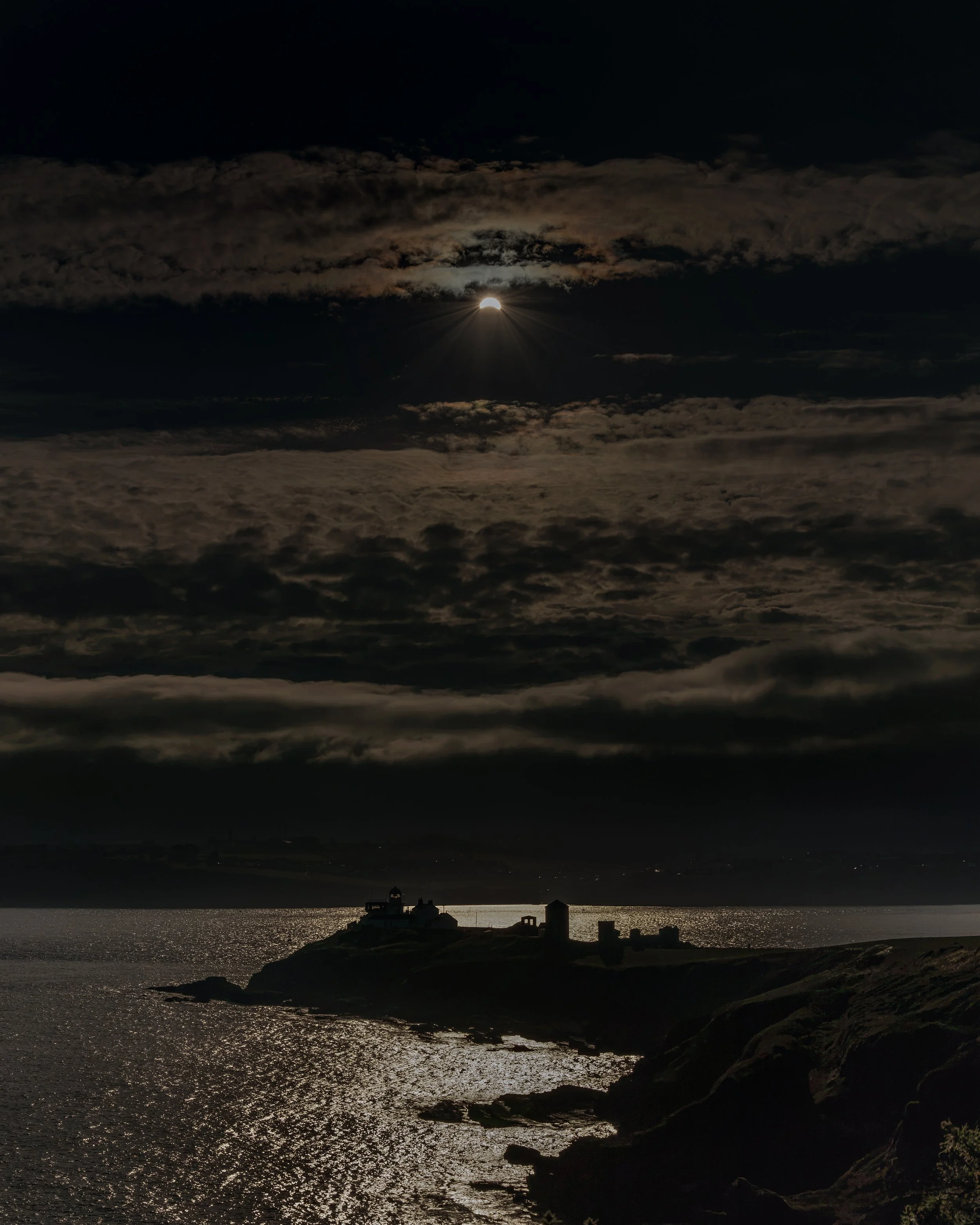
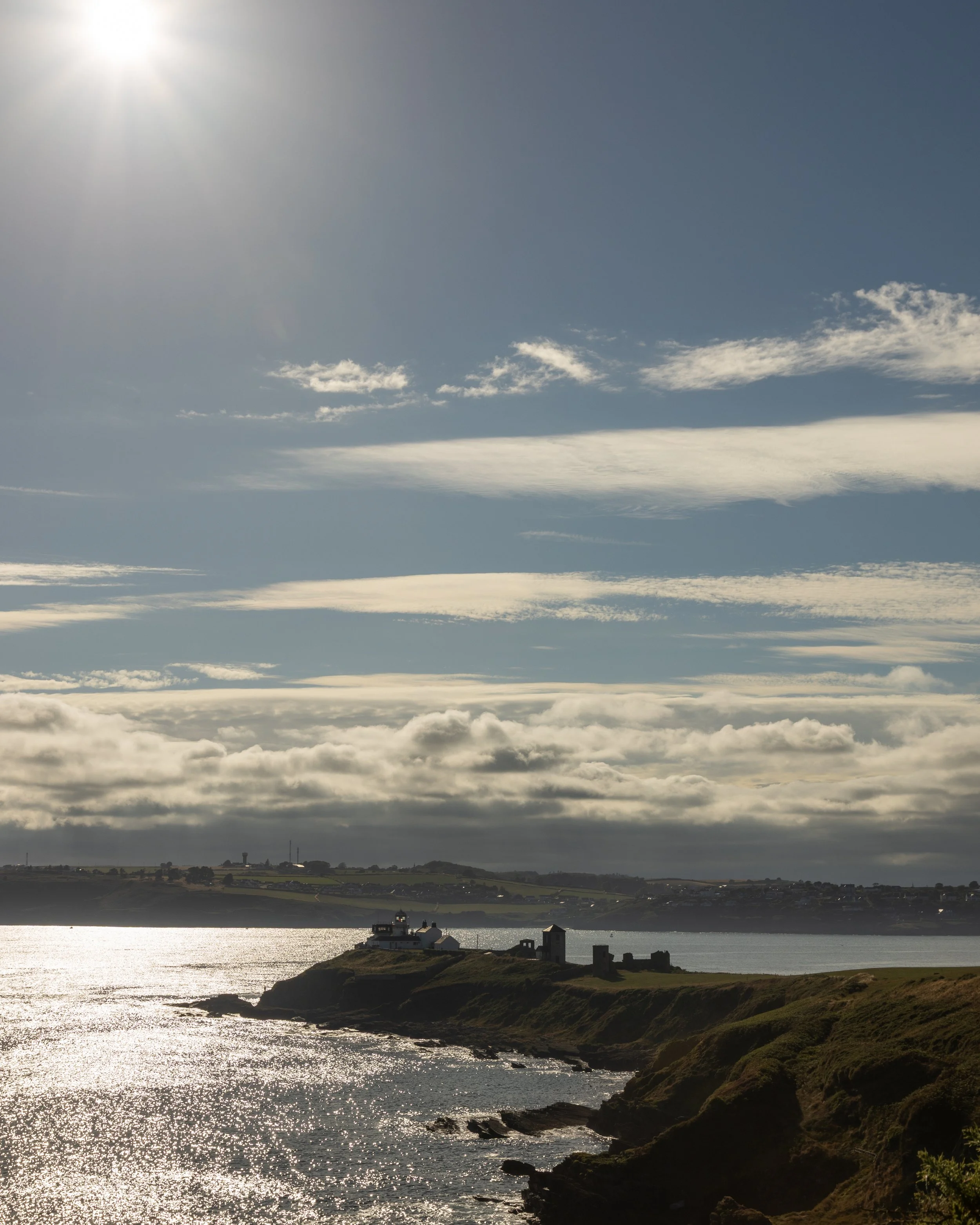
I returned to an old subject of mine, Roches Point Lighthouse. I have photographed the lighthouse many times, including an image of the Moon rising above it in 2014. That previous experience meant I already understood the location and knew there was a possible position for the lighthouse as the foreground subject.
I planned the alignment using The Photographer's Ephemeris, checking where the Sun would be and how the lighthouse could sit within the composition. It looked possible, although the Sun's altitude remained a problem. The challenge was not simply getting the lighthouse and eclipse into the same frame. I needed them to be positioned in a way that would make the final photograph work.
There was another variable I could not control: cloud. The forecasts suggested that the cloud would clear towards the eastern edge of Cork. That made the Roches Point plan more attractive. If the conditions changed, I would have to adapt rather than abandon the attempt.
Before the shoot, I also contacted the farmer who owned the land I needed to cross. I did not know them and they did not know me, but thankfully I was given permission. That gave me access to the position I had identified and I arrived roughly four hours before maximum eclipse.
For an alignment-based photograph, it gave me time to deal with problems before the critical part of the event. I could set up the tripod, check the composition, work out where the Sun would enter the frame and make sure the camera settings and filters were ready.
The biggest technical problem was dynamic range.
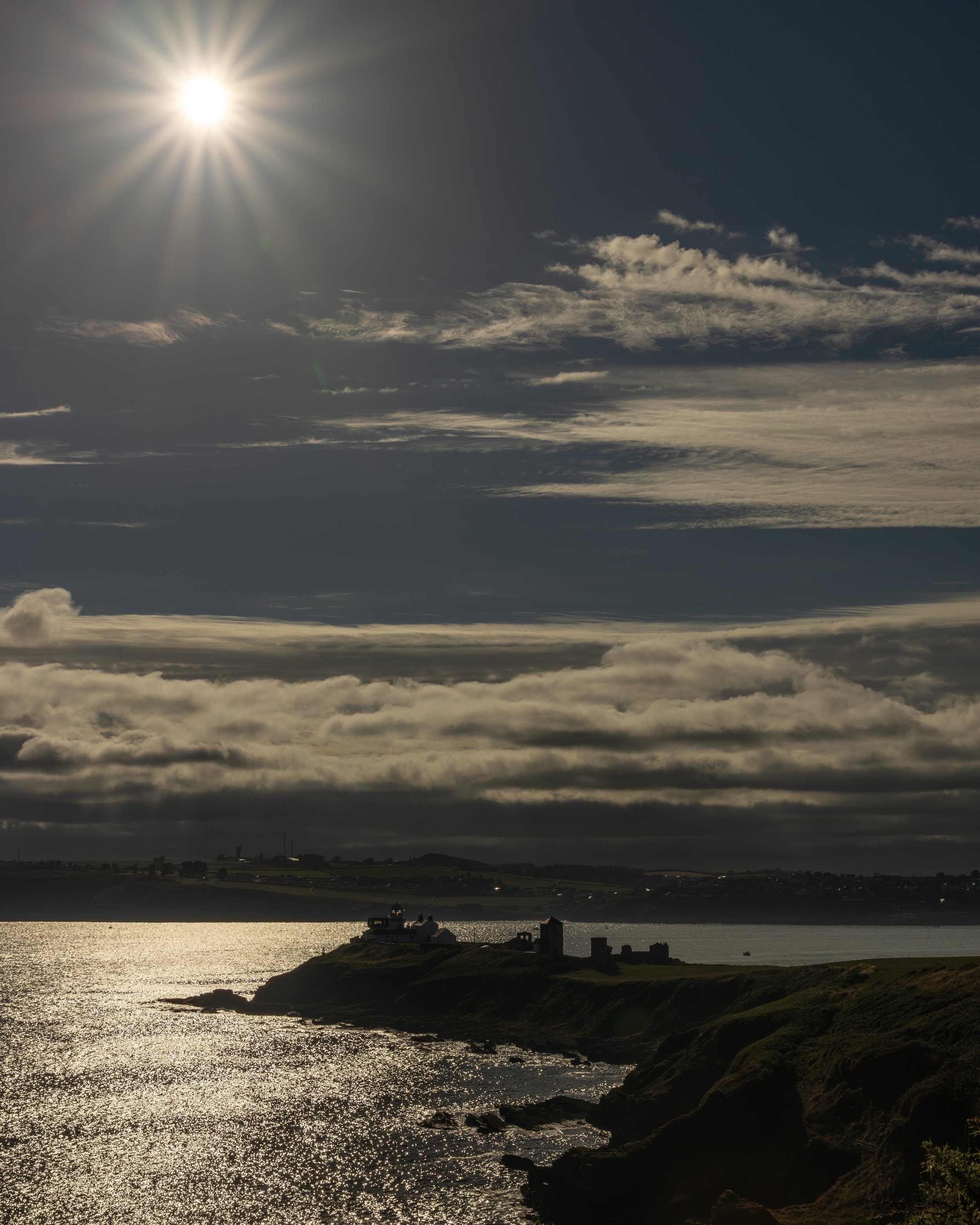
When photographing the Sun with a foreground, the camera is being asked to record two very different levels of brightness. The Sun needs to be heavily controlled, while the foreground needs enough exposure to retain detail. A filter helps protect the exposure around the Sun, but it also reduces the light reaching everything else in the frame.
Previously, I had used a 10-stop and a 6-stop filter together when photographing the eclipse with the Sun filling most of the frame. That approach worked because I was concentrating on the Sun itself. This time I was zoomed out to include a lighthouse and the surrounding landscape, so the same approach created a different problem.
The foreground would be too dark.
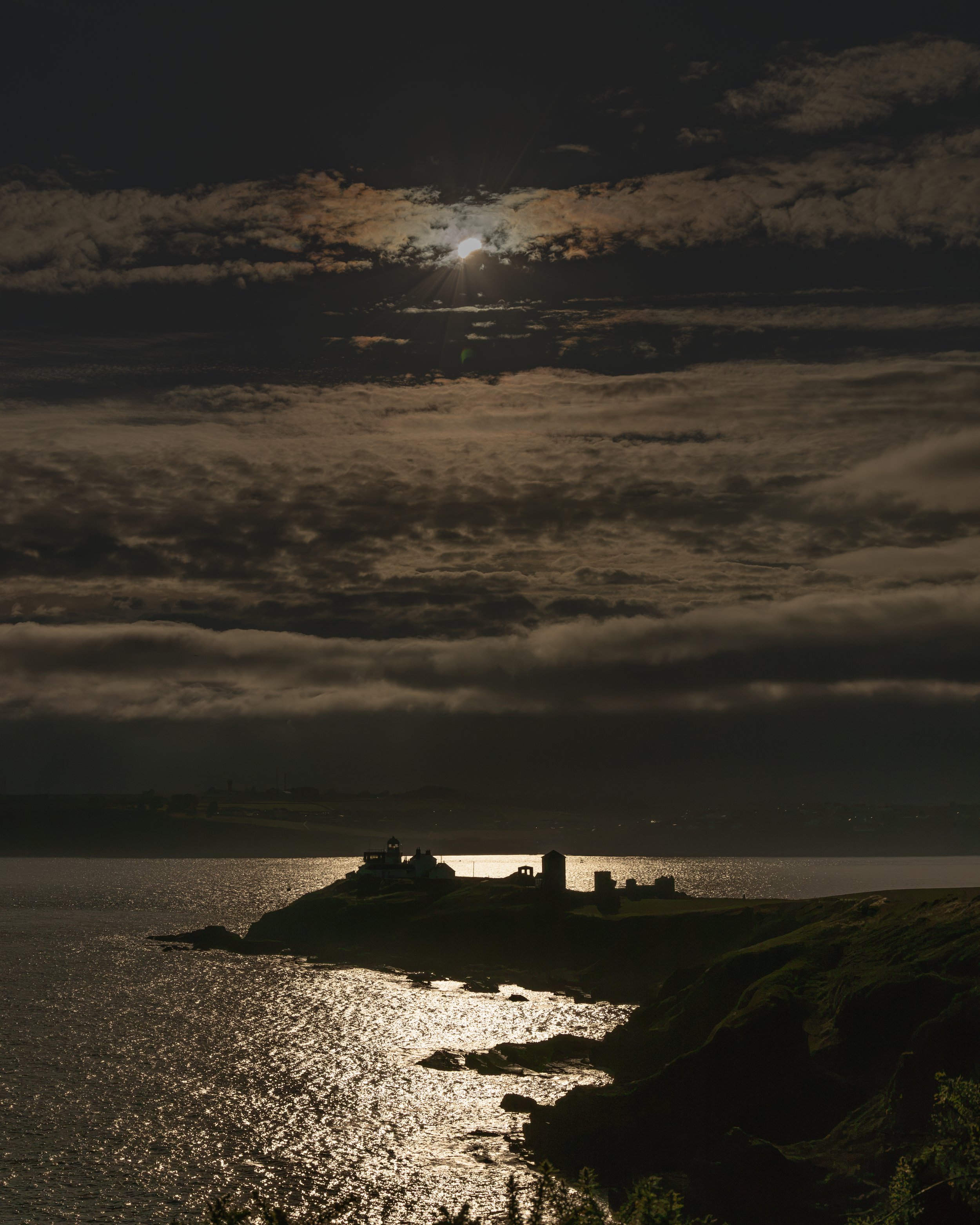
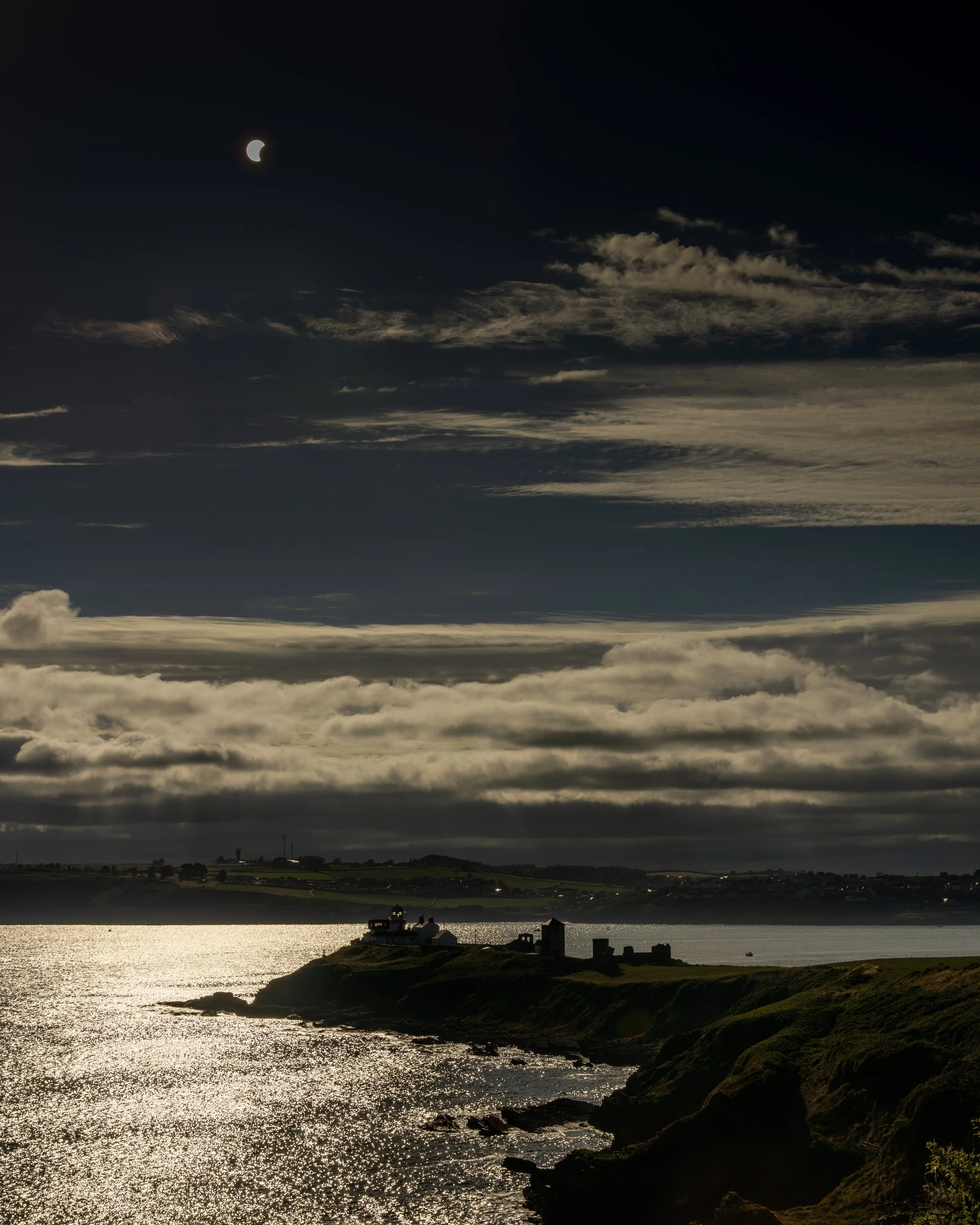
My solution was to make a series of exposures rather than expect one frame to contain everything. I could then attempt to combine those exposures during editing. In theory, one exposure could hold the solar detail while another retained information in the foreground, but blending an image like this is not straightforward.
The contrast between the Sun and the foreground is extreme, and the eclipse itself is changing throughout the event. The position of the Moon relative to the Sun changes, the light level changes and the alignment is constantly moving. Even a small movement can affect how the final composite comes together.
That is one of the main lessons I took from the shoot: when a photograph depends on several elements lining up, you need to solve the problems before the decisive moment arrives.
You also need to accept that the plan might fail.
I was not travelling to Kerry or Roches Point expecting the photograph to be guaranteed. I was setting myself a technical challenge. If I achieved the image, great. If I did not, I would still learn something about the equipment, filters and location.
That mindset matters in landscape photography.
A failed attempt can still give you useful information. You learn where the Sun sits, how the subject looks, how much focal length you need and which part of the plan needs changing next time.
The eclipse itself lasted from early evening into the evening, with maximum eclipse in Cork at around 7:13pm. Cork experienced approximately 96% obscuration, but it remained a partial eclipse rather than totality. That distinction matters because the photographic approach differs from a total solar eclipse.
For me, however, the event was less about the percentage and more about the challenge.
I wanted to take something I had photographed before and introduce another layer of difficulty. Whether the final frame fully worked or required more work in the edit, the process was worthwhile.
This is also why I think planning is such an important part of landscape photography. The photograph often starts long before the camera is put on the tripod. Researching the location, checking the weather, understanding the position of the Sun and Moon, visiting the location beforehand and having a backup plan can make the difference between having an opportunity and being in the right place when that opportunity arrives.
The important part is giving the plan the best possible chance of succeeding, then learning from whatever happens.
That was the purpose of this eclipse shoot. I knew the photograph might not be possible. I went anyway.