
When Your Ego Gets in the Way of Better Photography
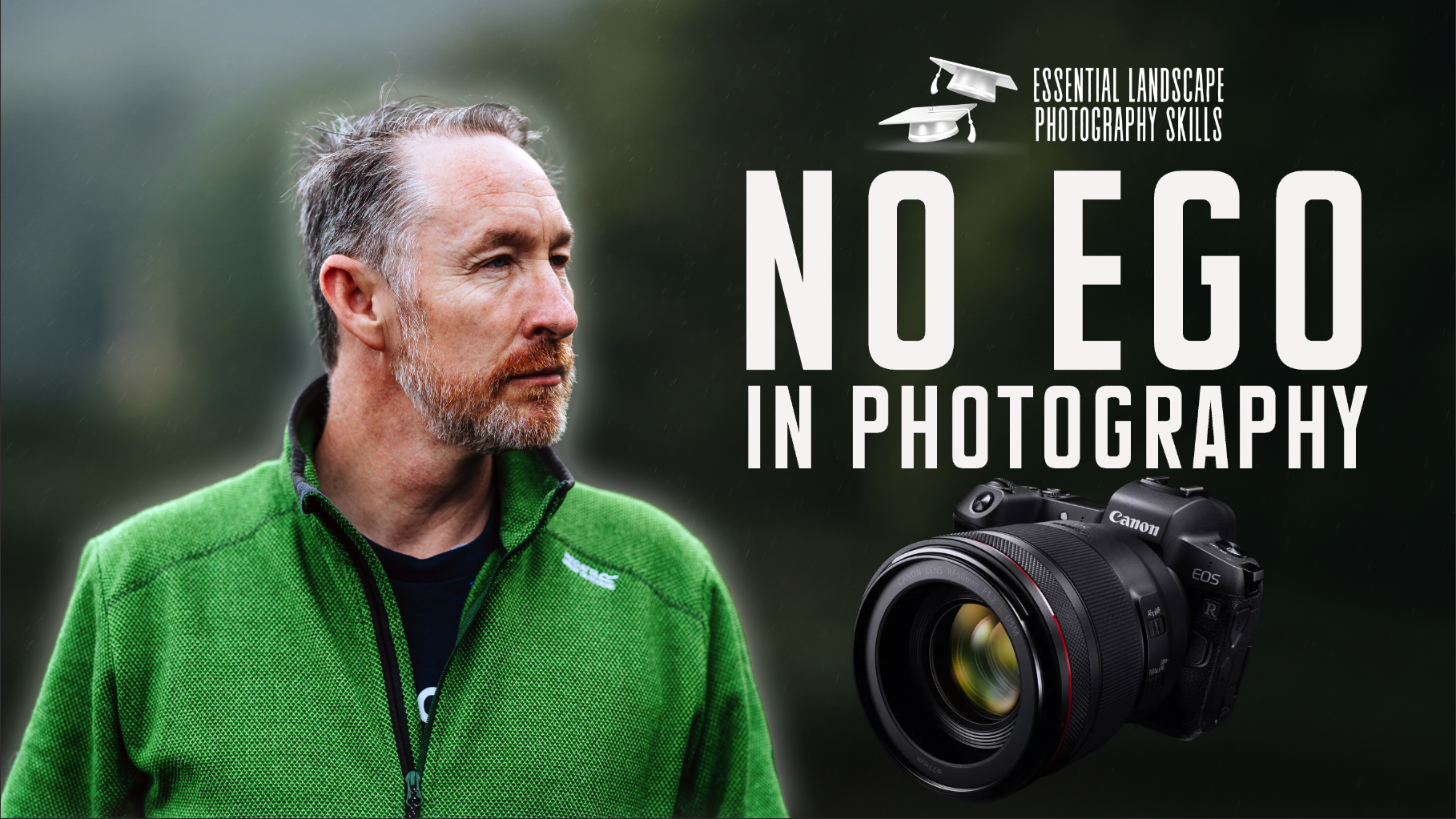
In the previous blog, Photography Is Not a Competition, I briefly touched on the role ego can play in photography. It is closely connected to comparison and validation. However, the more I reflected on it, the more I realised it deserved its own section. Ego quietly influences many decisions photographers make, often without them noticing.
This chapter is about recognising how your ego might be holding your photography back and what happens when you remove it from the decision-making process.
What Ego Actually Looks Like in Photography
Most photographers imagine ego as arrogance. Someone who thinks their work is better than everyone else’s. In reality, ego often shows up in much subtler ways.
It can appear as reluctance to try something new because you are worried the result will not be good enough. It can appear when you avoid photographing a simple scene because it does not feel impressive enough. It can even show up when you refuse to take advice or try a different approach because you feel you already know what you are doing.
None of these behaviours feel like ego when they are happening. They feel like protecting your reputation or maintaining standards. Yet in practice they often limit growth.
Ego Creates Invisible Rules
One of the biggest ways ego interferes with progress is by creating rules that do not actually exist.
You might start thinking certain locations are beneath your ability. You might convince yourself that only dramatic conditions are worth photographing. You might decide that if an image is not portfolio-worthy, it is not worth taking at all.
These rules rarely improve your photography. They simply reduce the number of situations where you allow yourself to experiment.
Good photographers produce strong work partly because they give themselves permission to photograph widely. They explore scenes that may or may not work. They test ideas without worrying about whether the result will be impressive.
If your ego starts filtering what is “worth” photographing, your opportunities to learn shrink quickly.
The Fear of Looking Inexperienced
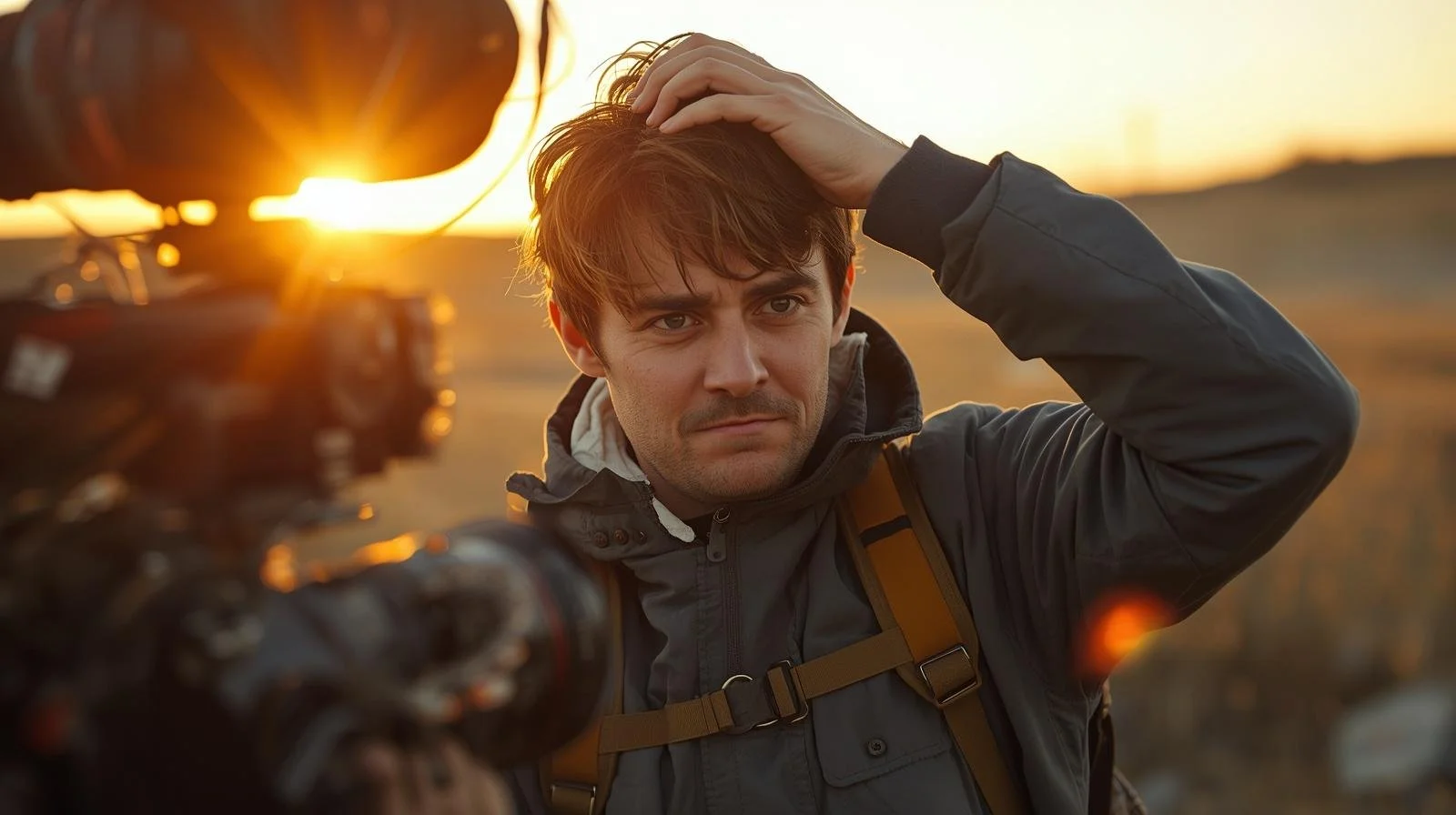
Another way ego holds photographers back is through fear of looking inexperienced.
You might avoid asking questions when you are unsure about something. You might hesitate to try a new technique because you are worried about getting it wrong. You might even resist changing your workflow because you have already invested time building the current one.
The problem with this mindset is simple: improvement requires temporary incompetence.
Every new technique feels awkward at first. Every unfamiliar location requires trial and error. Every photographer who improves spends time producing work that does not quite succeed.
If ego prevents you from going through that process, your photography stays exactly where it is.
Photographing for Approval
Ego can also influence the kinds of photographs you choose to take.
Once photographers start receiving positive responses to certain types of images, it becomes tempting to repeat the formula. You begin to think about what will perform well rather than what genuinely interests you.
At first this might feel productive. The images receive attention and reinforce the approach. Over time though, it can narrow your creative range.
When ego drives your choices, photography slowly becomes predictable. You stop exploring unfamiliar compositions or subtle scenes because they feel risky.
Ironically, some of the most memorable photographs come from moments when photographers move away from what is expected.
Learning to Stay Curious
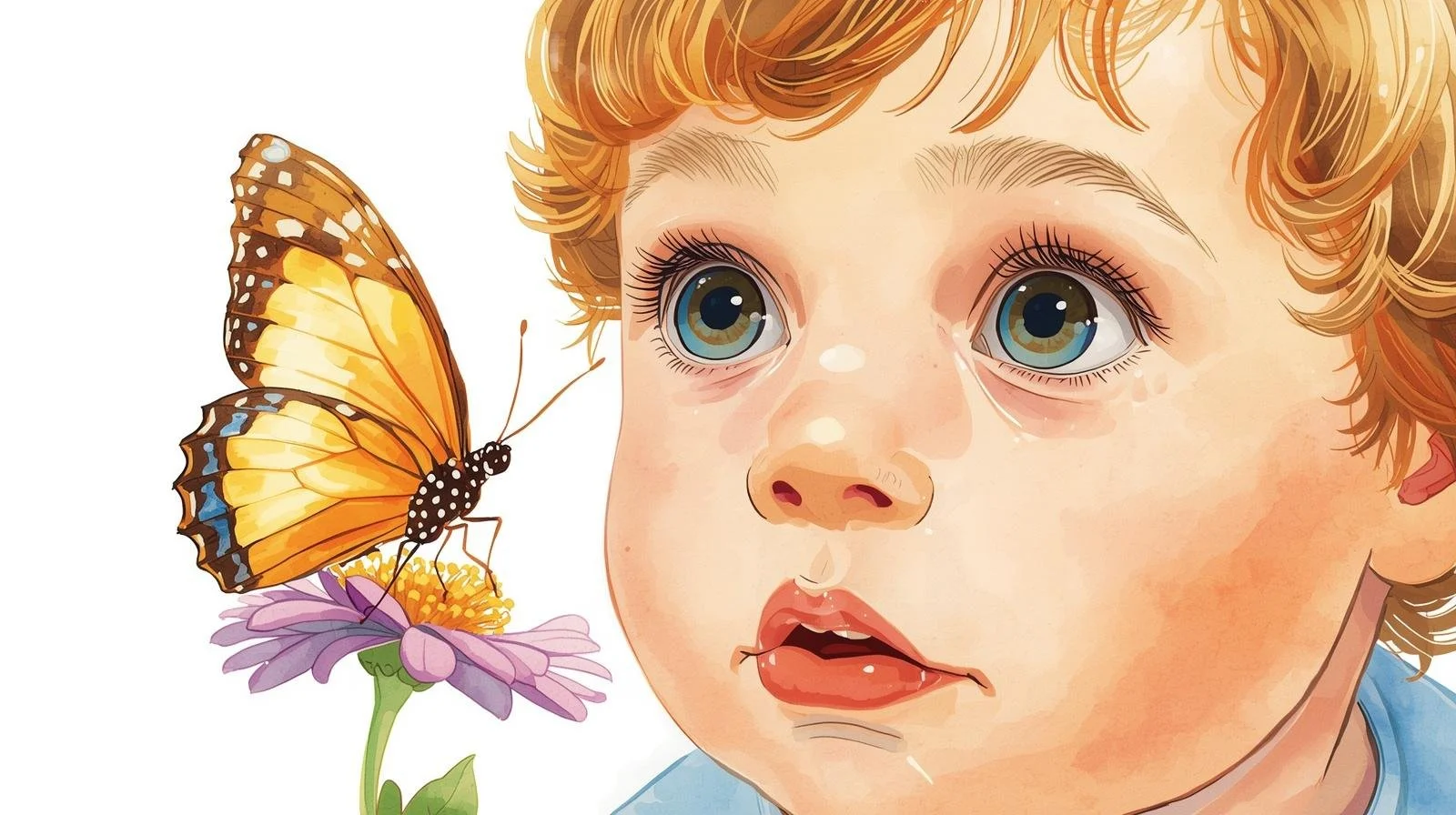
One of the simplest ways to reduce ego’s influence is to return to curiosity.
Instead of asking whether a scene is impressive enough, ask what makes it interesting. Instead of wondering whether a photograph will succeed online, ask what it might teach you.
Curiosity encourages experimentation. It also keeps your attention focused on the scene itself rather than on how the image might be received later.
This shift can completely change how a shoot feels. Photography becomes more exploratory and less pressured.
Allowing Yourself to Make Ordinary Images
Ego often demands strong results every time the camera comes out. That expectation is unrealistic.
Photography improves through repetition. Many images exist purely as steps in the process. They refine composition, timing, or understanding of light. They may never be shared, and that is fine.
Allowing yourself to create ordinary images removes pressure in the field. It also increases the number of photographs you make, which naturally increases the chances of producing stronger work.
Consistency almost always matters more than occasional brilliance.
Listening and Learning
Another practical step is learning to accept feedback without taking it personally.
Constructive critique can reveal blind spots you may not see in your own work. Other photographers may notice compositional patterns, technical habits, or editing tendencies that you have become used to.
Ego tends to resist this kind of input. It interprets critique as a challenge rather than as information.
Photographers who improve steadily usually treat feedback as a tool. They listen, consider the point being made, and decide whether it helps their work.
Progress Happens When Ego Steps Aside
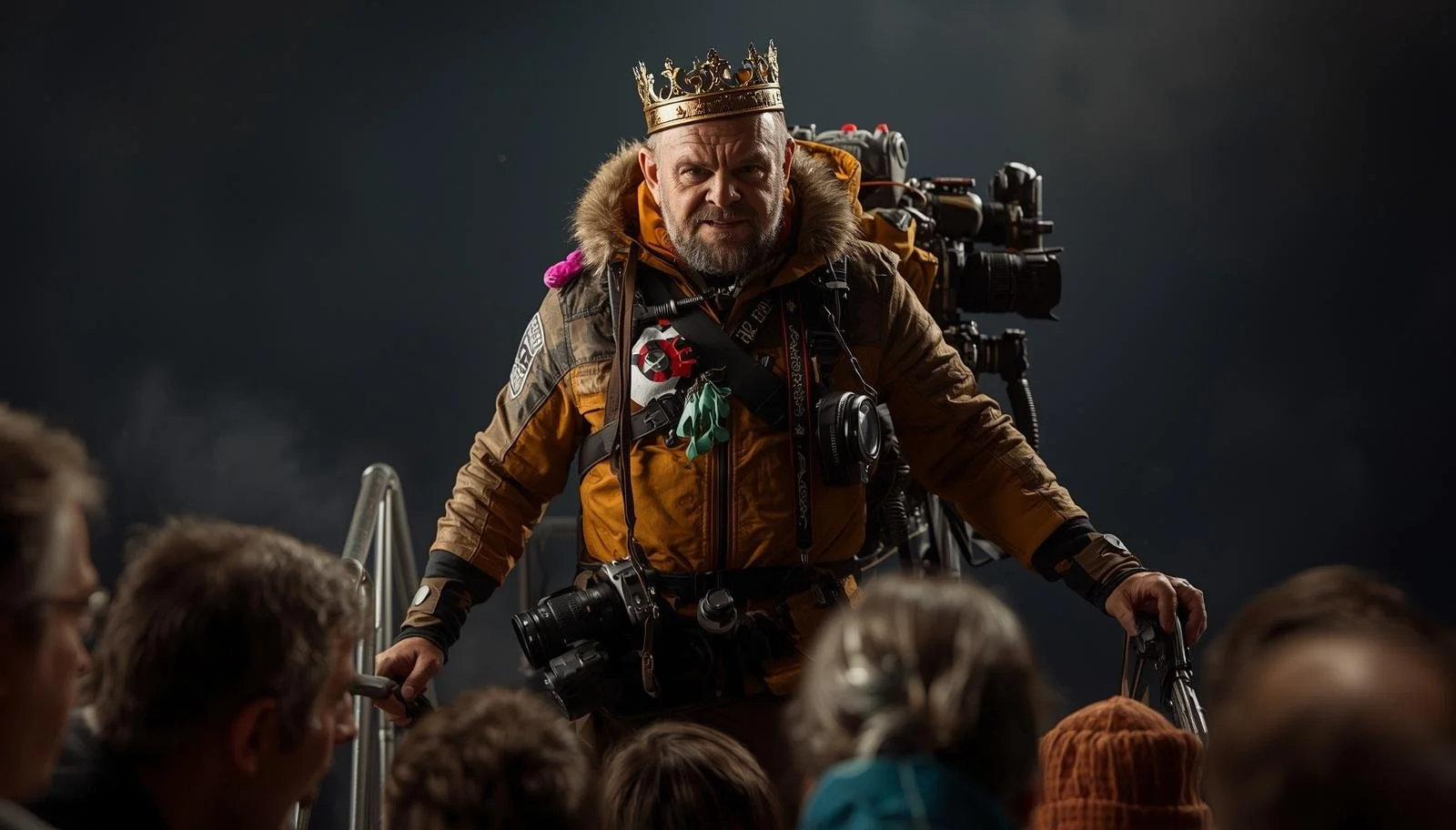
The reality is simple. Photography improves when attention stays on the craft rather than on protecting reputation.
When ego relaxes its grip, you become more willing to experiment, more open to learning, and more patient with the process. You photograph more scenes, try more ideas, and accept that not every image needs to succeed.
Over time those small changes accumulate.
Your photography becomes more flexible, more curious, and ultimately more personal. Not because you tried to prove something, but because you allowed yourself to keep learning.